Bread Lab · Experiment 003
The Great Pita
Experiment
Could half of a homemade pita replace two slices of sandwich bread, reduce the carbohydrate load of lunch, and still deliver a sandwich worth eating?
01Why Pita?
About three years ago, I was diagnosed with Type 2 diabetes. Since then, I have been looking for ways to keep baking—and keep enjoying bread—while reducing the carbohydrates in some of my everyday meals.
I love bread. Unfortunately, bread and carbohydrates have maintained a very close personal relationship. I have experimented with preferments, bread flour, whole grains, chia seed, flaxseed, and oat bran. Those changes can influence flavor, texture, fiber, and protein, but they do not magically make flour stop being flour.
Then dinner at a Greek restaurant supplied a much simpler thought: a sandwich normally uses two slices of bread, but a pita-pocket sandwich uses only half of one pita. Perhaps the useful experiment was not turning bread into a medical miracle. Perhaps it was simply using less bread in a smarter shape.
Laboratory disclaimer: This is a personal baking experiment, not medical advice. Nutrition labels are estimates, and I did not measure blood-glucose response, glycemic index, insulin response, or any other medical outcome.
02The Research Question
Can I make authentic, fully pocketed pita bread in the Joydeem—and use half a pita to create a satisfying sandwich with fewer net carbohydrates than two slices of my Healthy Sandwich Bread?
03The Experimental Plan
Start with a Proven Recipe
I based the batch on the homemade pita recipe from The Mediterranean Dish, which is designed to make eight pitas.
Use the Joydeem
Rather than mixing and kneading by hand, I used the Joydeem JD-HMJ7L dough maker for mixing, kneading, and fermentation.
Use Bread Flour
I substituted bread flour for the recipe's all-purpose flour. The stronger flour worked, although the dough demanded more of it than expected.
Test the Pocket
The essential test was not perfect geometry. It was whether the pitas would inflate in the oven and leave a usable pocket after cooling.
04Joydeem Mixing Notes
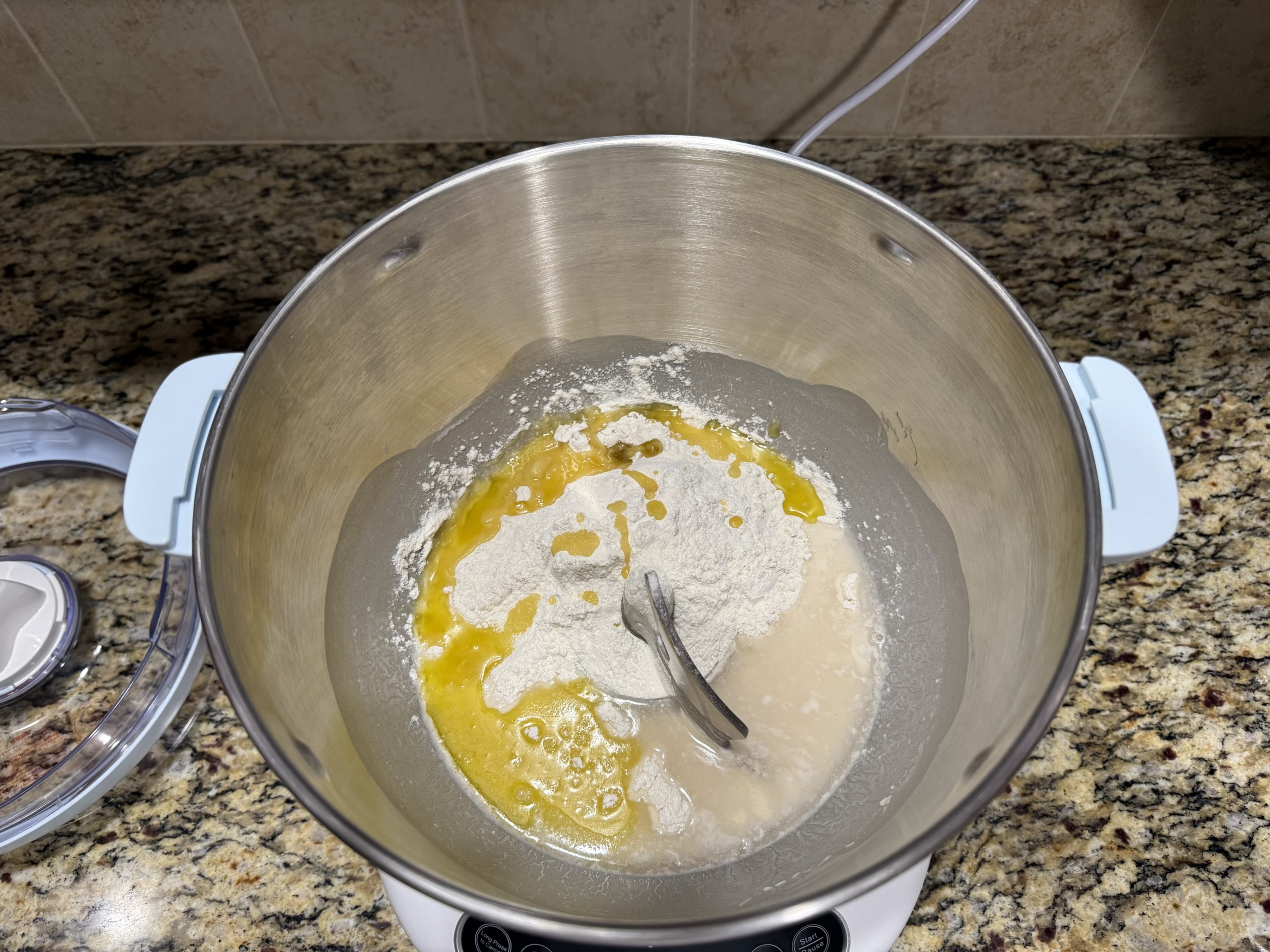
The dough was much wetter than I expected in the Joydeem. I gradually added approximately an extra half cup of bread flour before it reached a workable consistency. Even then, it remained softer and tackier than my usual sandwich dough.
05Bread Lab Addendum: All-Purpose Flour
After publishing the original experiment, I made a second batch for additional photography and video. This time, I followed the flour choice in the original Mediterranean Dish recipe and used King Arthur All-Purpose Flour.
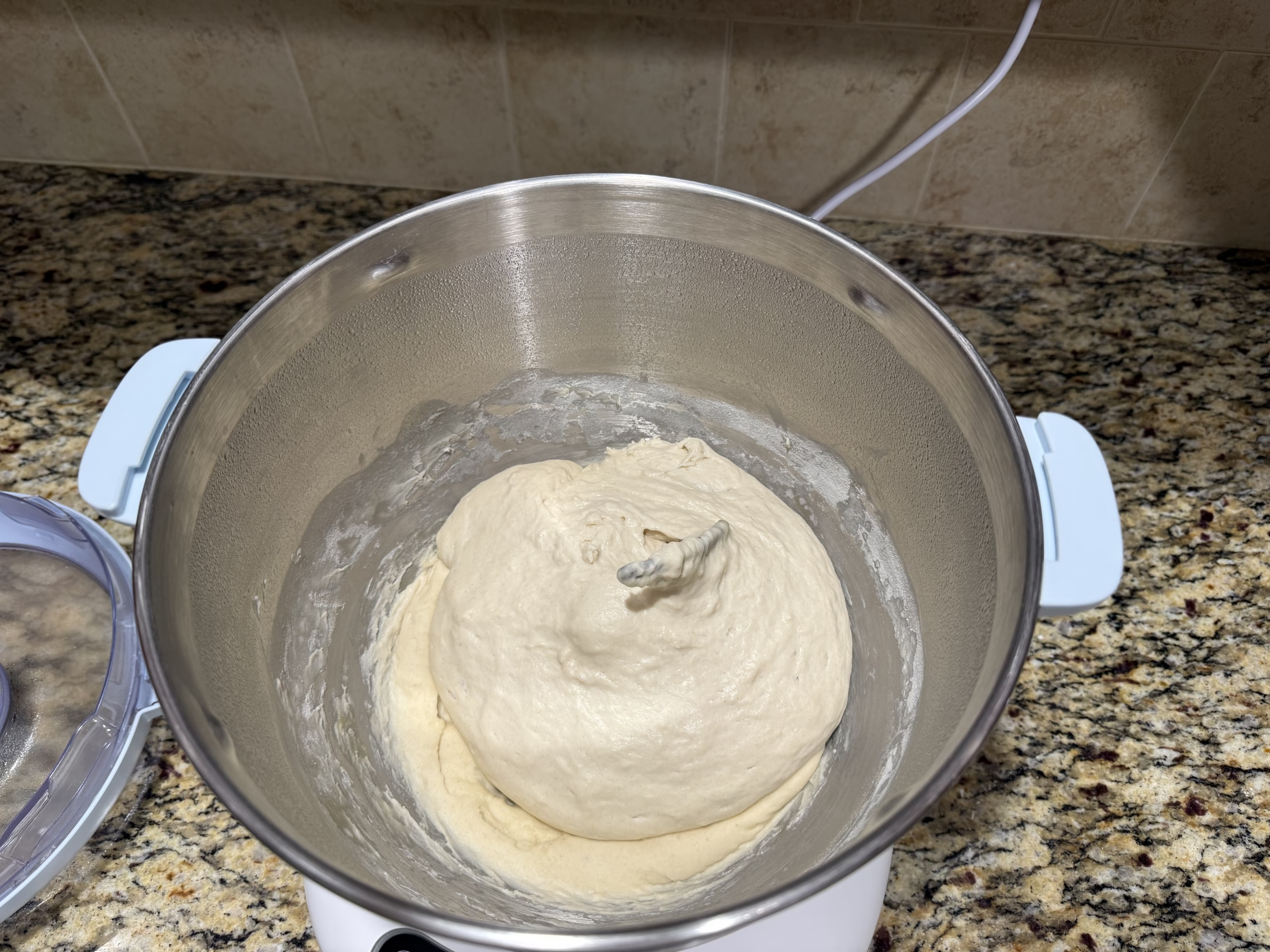
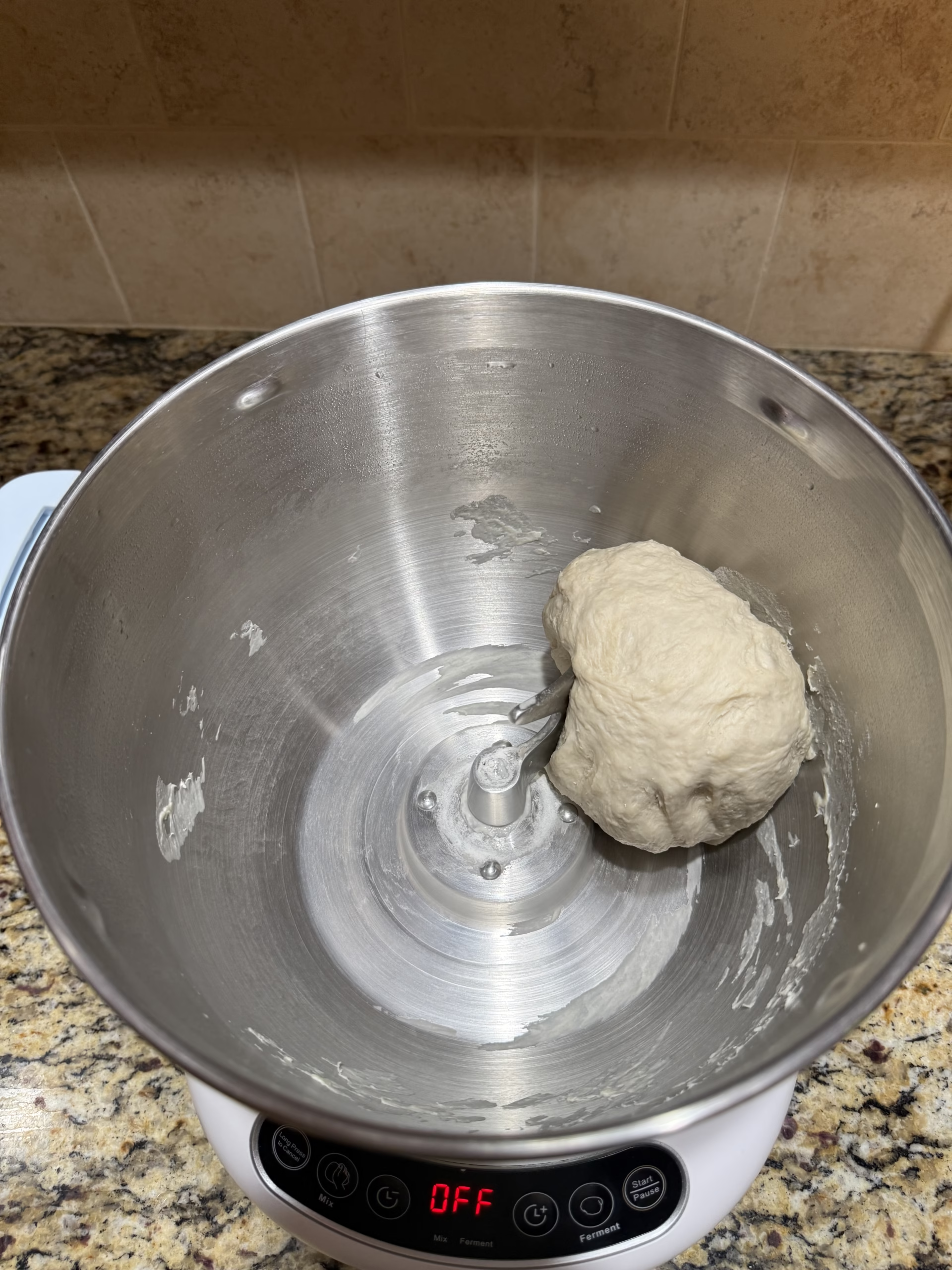
The practical difference in the Joydeem was immediate. With 3 cups of all-purpose flour and 1 cup of water, the dough came together during the same 10-minute mixing cycle without requiring additional flour. It formed a cohesive ball, left the bowl substantially cleaner, and looked much more like the pita dough I had expected from the beginning.
Updated practical recommendation
For a first attempt at this recipe, I would now use all-purpose flour exactly as written. In my kitchen and in the Joydeem, it produced the more predictable dough.
This was a useful follow-up observation, but it was not a controlled flour comparison. The ingredients were measured by volume rather than weight, and the first bread-flour batch ultimately contained approximately 3½ cups of flour after the additional flour was incorporated. I therefore cannot conclude from these two batches that all-purpose flour absorbs more water or that it will always outperform bread flour.
What I can report is narrower and more useful: the published recipe behaved correctly when I used the flour it specified. That new evidence strengthens the case for following the original all-purpose formula before experimenting with substitutions.
06The Division Problem
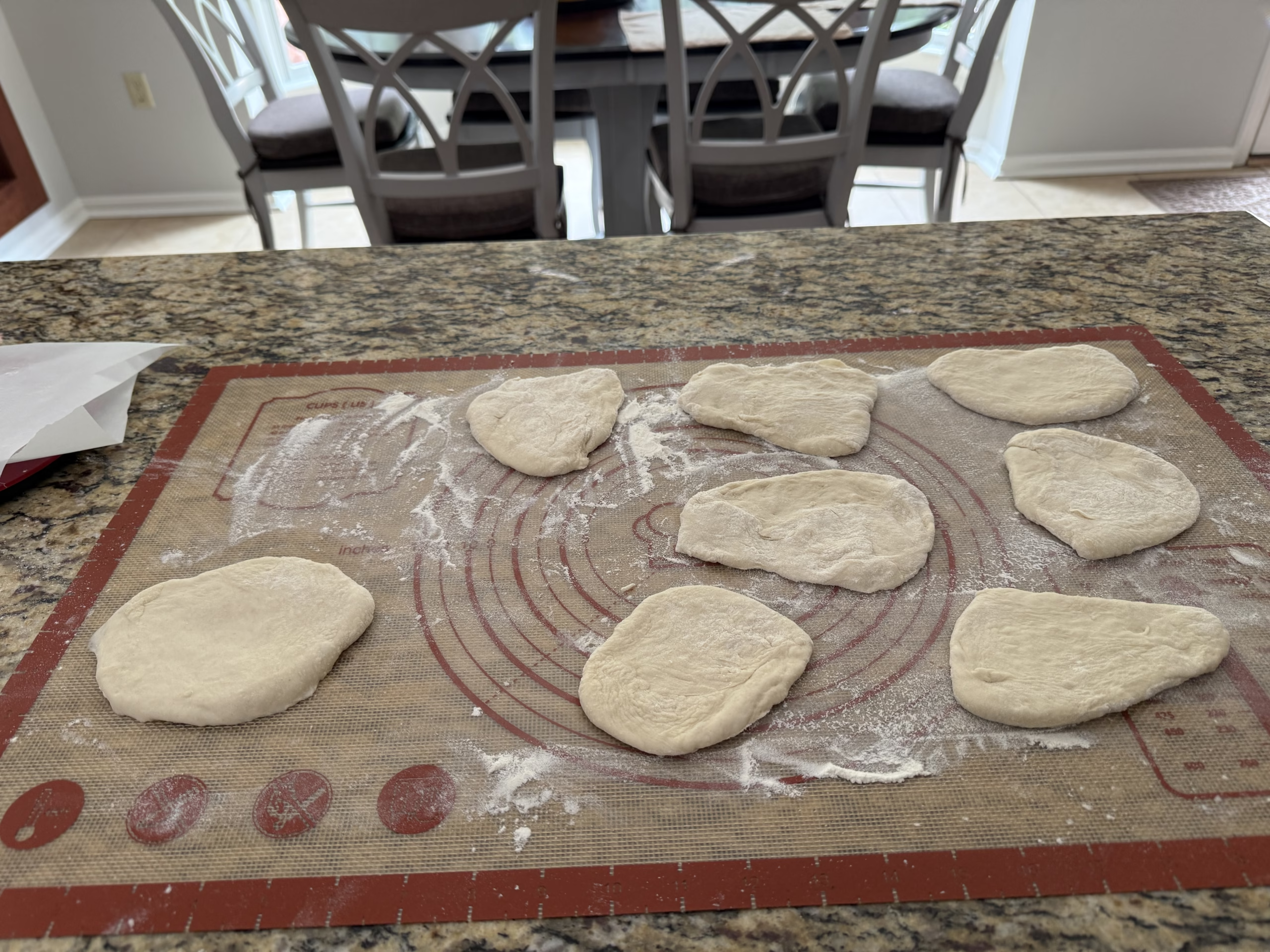
I divided the dough into eight pieces by eye. They looked remarkably similar on the counter. The scale later filed a formal objection.
Scientific observation: My eyeballs are apparently accurate to approximately ±22 grams. Future batches will be divided with a scale, which is less charming but considerably more competent.
07The Moment of Truth
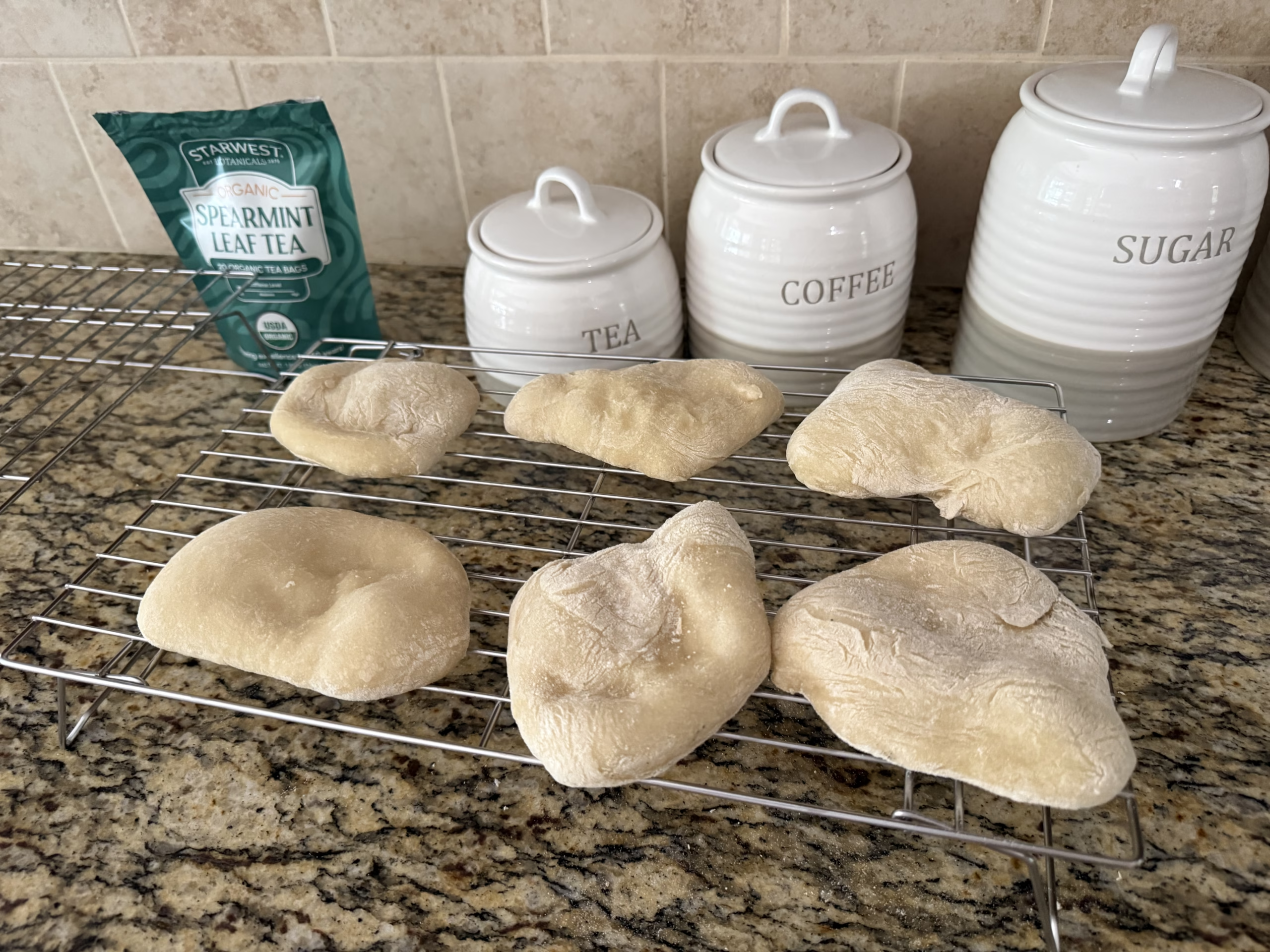
The pitas went onto a thoroughly heated baking surface in a hot oven. Then the flat rounds began inflating into little bread balloons.
The pocket formed.
Every pita puffed successfully. Once cooled, the inflated breads settled into the familiar two-layer structure needed for a pocket sandwich. The bread flour and the Joydeem-developed dough had done their jobs.
08The Carb Comparison
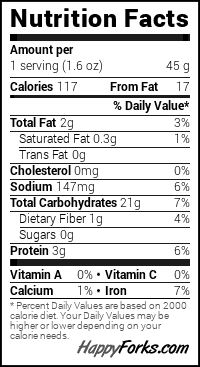
½ Homemade Pita
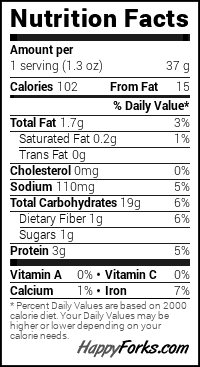
1 Slice Healthy Sandwich Bread
| Sandwich bread portion | Total carbs | Fiber | Estimated net carbs | Calories |
|---|---|---|---|---|
| 2 slices Healthy Sandwich Bread | 38 g | 2 g | 36 g | 204 |
| ½ homemade pita | 21 g | 1 g | 20 g | 117 |
The reduction did not occur because pita is inherently low-carb. This was still bread made primarily with wheat flour. The advantage came from portion and architecture: half a pita used less bread than two of my relatively substantial sandwich slices.
These numbers do not establish a lower glycemic index or guarantee a smaller glucose rise. They only compare the estimated carbohydrate, fiber, and calorie content of the two bread portions.
09Post-Bake Evaluation
What Worked
- The Joydeem mixed and fermented the dough successfully.
- All eight pitas puffed and formed pockets.
- The flavor was recognizably authentic pita.
- Half a pita was a practical sandwich portion.
- The updated estimate showed fewer net carbs than two slices of my sandwich bread.
- Warm pitas attracted visiting children with laboratory-compromising speed.
The unexpected result:
The most impressive finding was not nutritional. It was how easy fresh pita was to make and how much better it tasted warm from the oven than the packaged version I normally associate with pita sandwiches.
What This Experiment Did Not Prove
It did not measure glycemic index, glycemic load, blood-glucose response, insulin response, satiety, or any clinical outcome. I do not use a continuous glucose monitor, and a nutrition calculator cannot predict an individual's response to a meal.
It also did not prove that pita is automatically healthier than sliced bread. This particular comparison worked because the serving was half of a pita versus two 37-gram slices of my homemade sandwich bread.
10The Experiment Briefly Left the Building
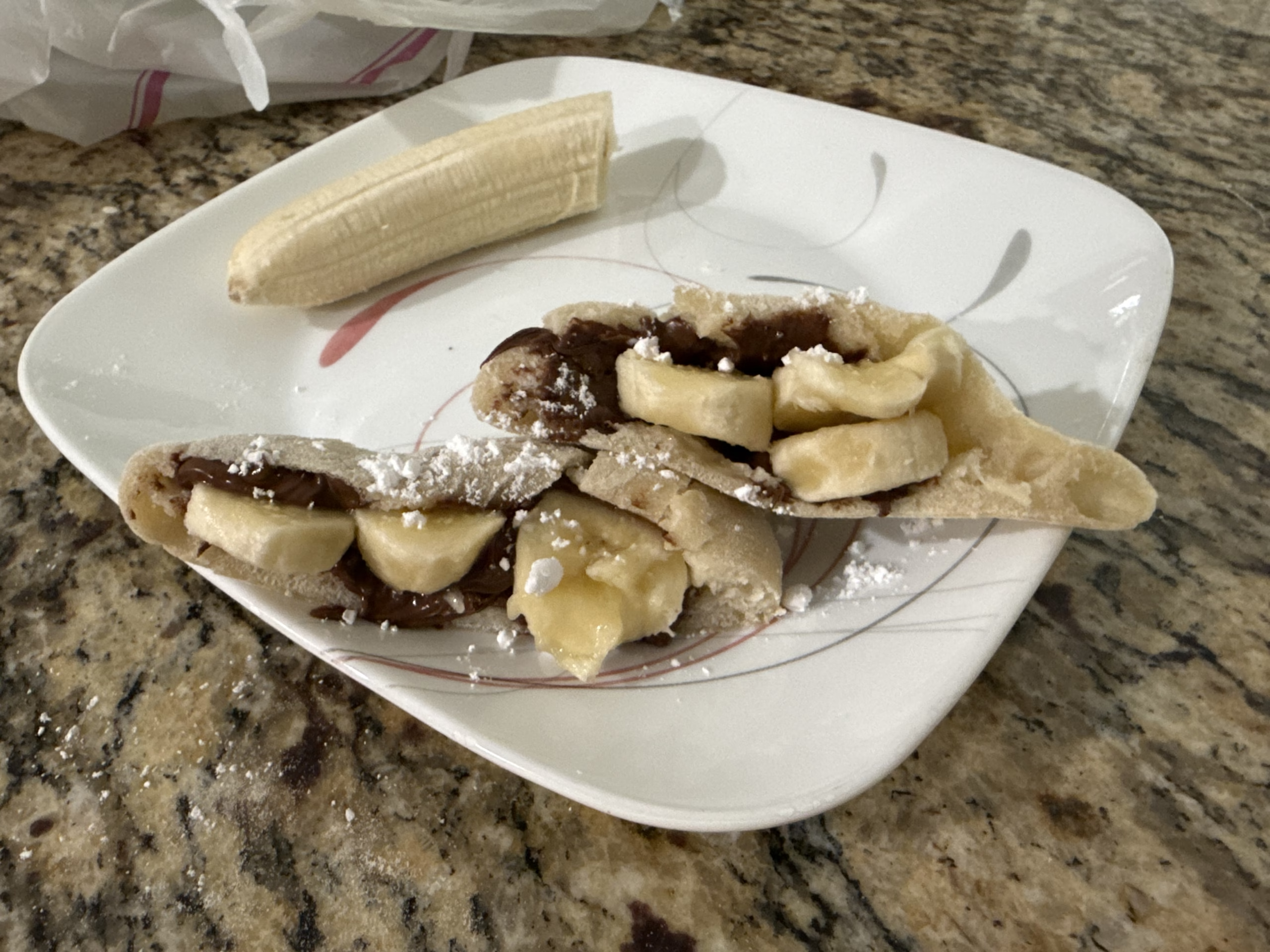
Was it aligned with the original goal? Absolutely not. Was it spectacular? Also absolutely yes. Sometimes Bread Lab proves a theory. Sometimes Bread Lab accidentally creates dessert.
11The Verdict
The experiment did not deliver the hoped-for 60% reduction. It delivered an estimated 44% reduction in net carbohydrates for the bread portion of my sandwich, along with a fully functional pocket and excellent flavor.
More importantly, it established a useful baseline. I now know I can produce excellent pita in the Joydeem. The next Bread Lab question is obvious: can I increase the fiber or reduce the flour while preserving the puff, pocket, flexibility, and flavor?
Final finding: pita did not stop being bread. It simply became a more efficient sandwich-delivery system.