

Bread Lab · Experiment 001
The Everyday
Sandwich Bread
Could a slower method, a little whole wheat, and some flax improve our favorite one-hour loaf—or would the experiment produce a very nutritious doorstop?
01 How the Experiment Began
I had been repeatedly baking an excellent one-hour sandwich bread from Robyn on the Farm. It was sweet, soft, dependable, and genuinely one of the best sandwich breads I had made. From the first ingredient entering the bowl to the finished loaves leaving the oven, the entire process took about one hour.
You can see Robyn’s original method in her one-hour bread video .
The bread was delicious, but its sweetness made me wonder whether I could use more traditional bread-making techniques to reduce the added sugar, introduce a modest amount of whole grain and flaxseed, and still preserve the soft crumb and dependable spring that made the original loaf so useful.
The investigation quickly revealed an important limitation: wheat bread remains a carbohydrate-rich food. No honest recipe adjustment was going to transform it into a low-carbohydrate or medically proven “diabetic bread.” What I could test was whether a poolish, additional fermentation, whole wheat flour, flaxseed, and less sugar might create a more thoughtfully formulated loaf—and perhaps an even better-tasting one.
02 The Question
Can we reduce the sweetness and introduce more whole grain, flaxseed, and fermentation time while preserving the soft crumb and spring of a dependable sandwich loaf?
Laboratory disclaimer: No miracle bread claims were harmed—or made—during this experiment.
03 The Experimental Changes
Poolish Preferment
A mixture of bread flour, water, and a tiny amount of yeast received a twelve-to-sixteen-hour head start for fermentation and flavor development.
Whole Wheat Flour
A modest portion of the bread flour was replaced with 100% whole wheat flour—enough to add character, but not enough to turn the loaf into building material.
Ground Golden Flaxseed
Twenty grams of ground golden flaxseed added fiber and the pleasant nutty flavor that became one of the experiment’s best surprises.
Long Final Proof
Predicted: approximately one hour. Actual: three hours. The yeast apparently had other plans.
Joydeem Dough Mixer
The new mixer handled mixing, kneading, and the first fermentation while the KitchenAid watched from across the counter.
Less Added Sugar
The experimental formula reduced the added sugar while aiming to preserve the softness and browning expected from an everyday sandwich loaf.
04 Control vs. Experimental Formula
Robyn’s One-Hour Sandwich Bread
Ingredients
- 2 cups hot water, approximately 105–110°F
- ¼ cup sugar
- 1¼ tablespoons active dry yeast
- 2 tablespoons melted butter or olive oil
- 5 to 5½ cups flour, preferably bread flour
- 1½ teaspoons salt
Original Method
- Combine all ingredients in the mixer.
- Knead for approximately 5 minutes.
- Allow the dough to rise for 20 minutes.
- Preheat the oven to 350°F.
- Punch down and divide the dough into two portions.
- Press and roll each portion tightly for a good crumb.
- Place into two well-greased loaf pans.
- Place directly into the oven without a second rise.
- Bake for approximately 28–30 minutes.
- Brush the hot loaves with butter for shine, if desired.
Bread Lab Everyday Sandwich Bread
Night Before · Poolish
- 150 g King Arthur Bread Flour
- 150 g water
- ⅛ teaspoon active dry yeast
Mix, cover, and ferment for 12–16 hours.
Final Dough · Dry Ingredients
- 525 g King Arthur Bread Flour
- 75 g 100% whole wheat flour
- 20 g ground golden flaxseed
- 9 g salt
- 1½ teaspoons active dry yeast
Wet Ingredients
- Entire poolish
- 300 g warm water
- 30 g olive oil
- 25 g sugar
- Up to 20–30 g additional warm water, if needed
Joydeem Mixing Plan
- Add the ingredients in this order: poolish, 300 g warm water, olive oil, sugar, and all dry ingredients.
- Knead for 10 minutes.
- Inspect the dough. It should be smooth, elastic, and beginning to clean the bowl.
- If the dough appears rough or stiff, add 10 g water and mix for 2 more minutes. Repeat once if necessary.
- Continue mixing until the dough passes the windowpane test. Expected total kneading time: 15–20 minutes.
- Use the Joydeem fermentation cycle for approximately 75 minutes, looking for a 75–90% increase in volume.
- Divide the dough, bench rest for 10 minutes, and shape tightly into two greased loaf pans.
- Proof until the dough rises approximately 1 inch above the pan rims. This bake required 3 hours.
- Bake at 350°F for 30–35 minutes, or until the internal temperature reaches approximately 195–200°F.
- Brush with butter if desired and cool for at least 1–2 hours before slicing.
05 Laboratory Log
Bread remained unbothered.
06 Evidence Collected
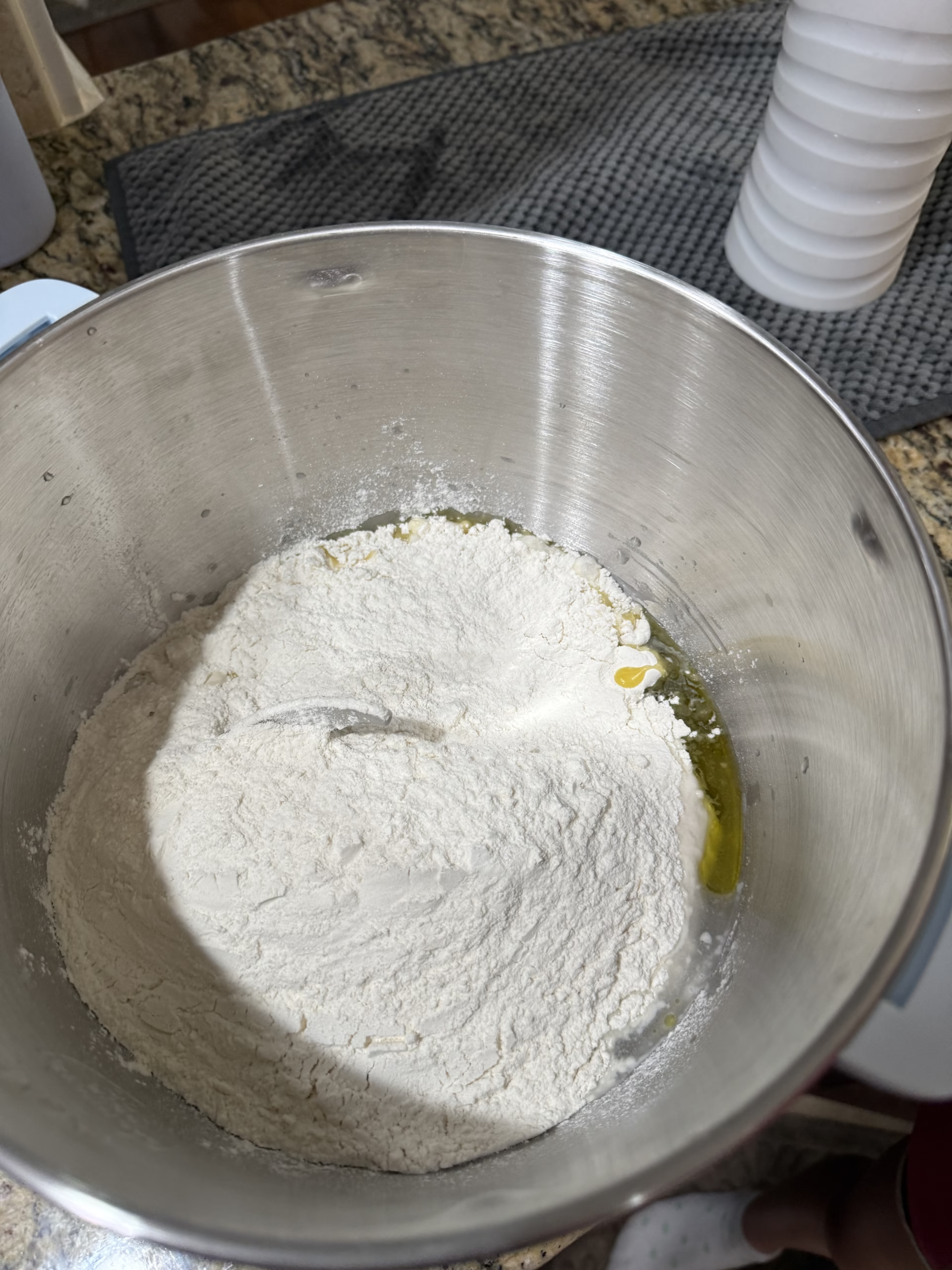
Ingredients Enter the Lab
Poolish, bread flour, whole wheat flour, flaxseed, water, olive oil, sugar, salt, and yeast were assembled for the first full Joydeem test.
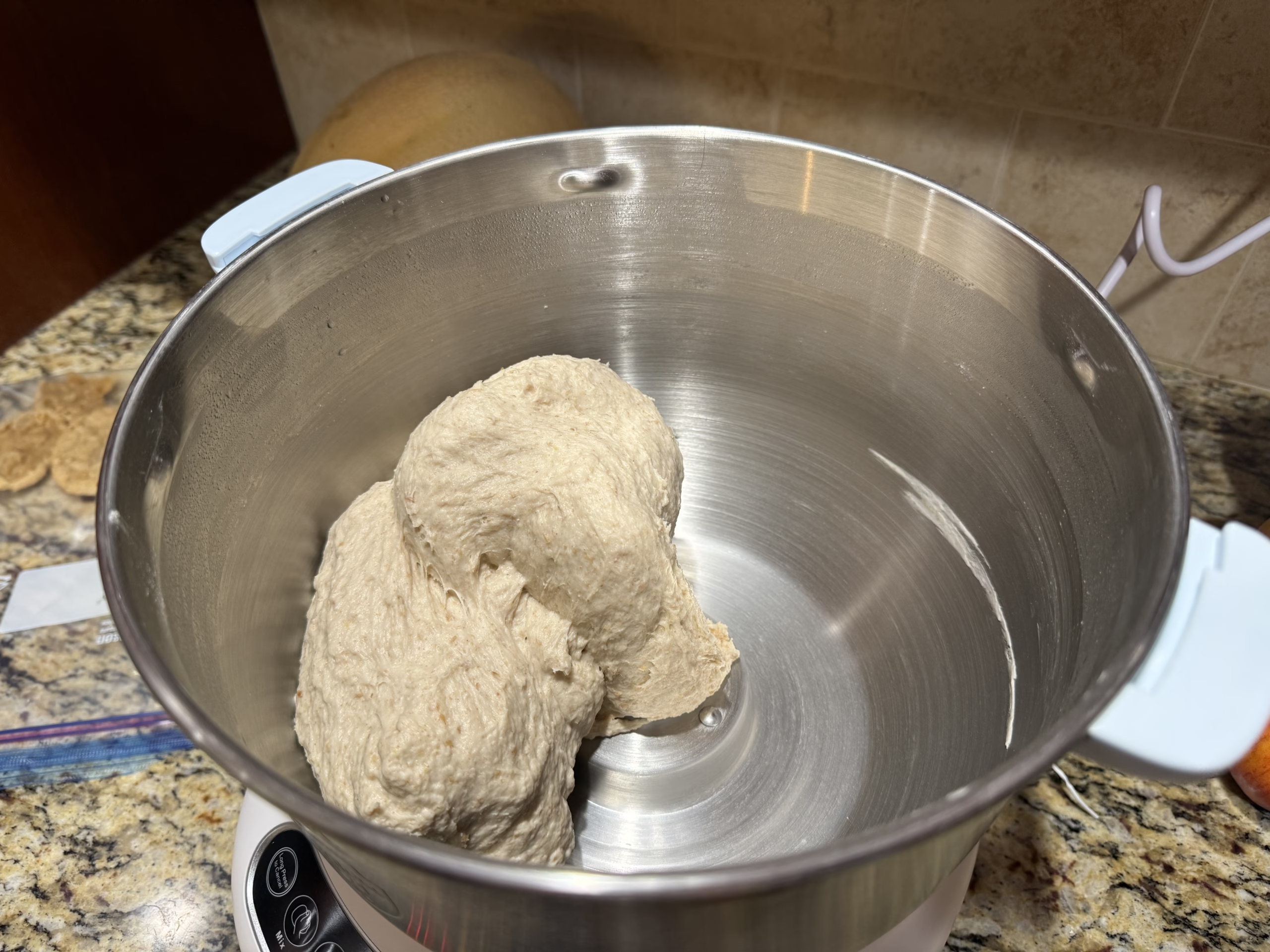
The Clean-Bowl Test
After approximately ten minutes, the dough gathered into a cohesive mass and began cleaning the bowl.
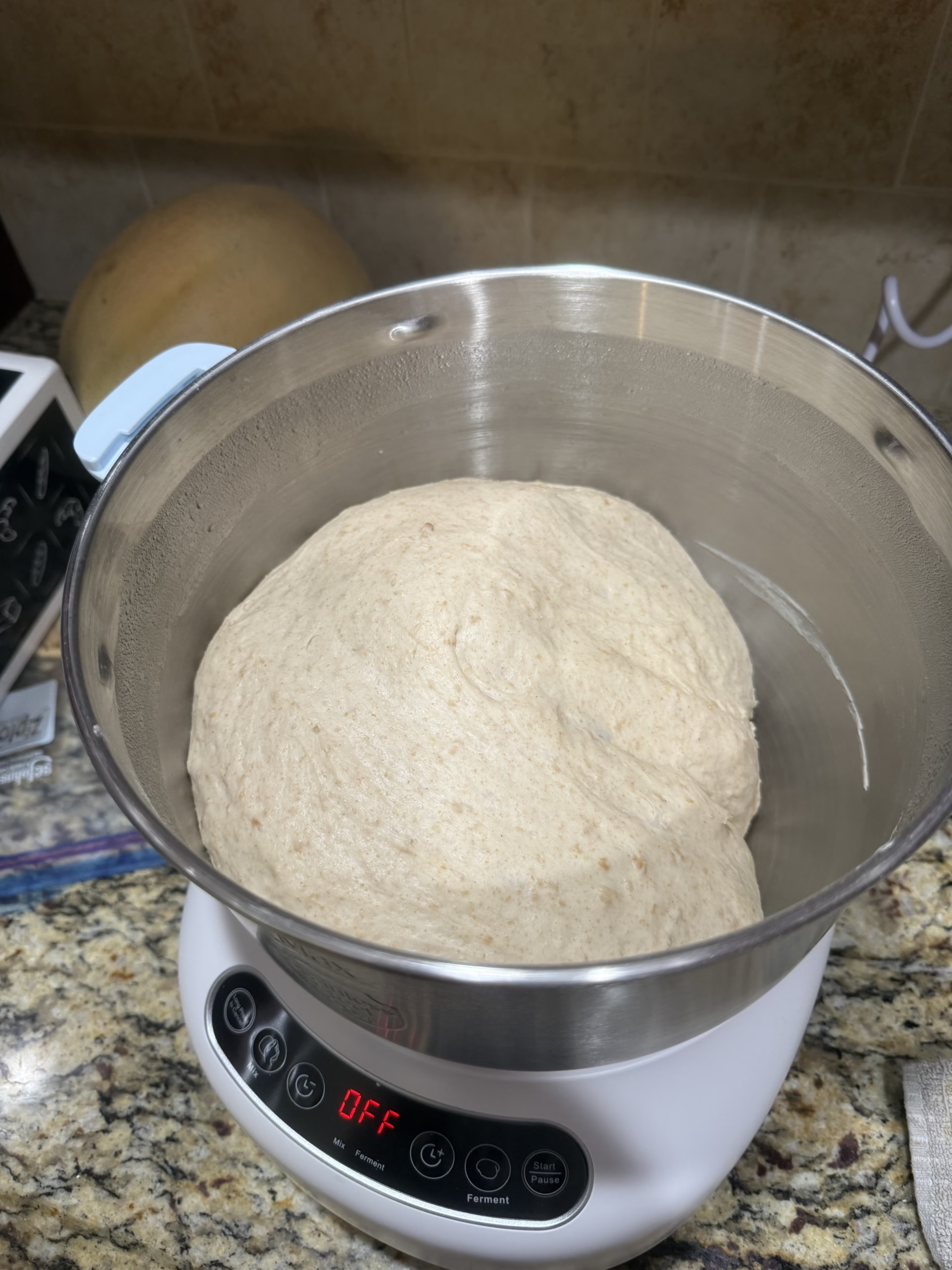
Fermentation Success
The dough expanded strongly during the 75-minute Joydeem fermentation cycle and remained elastic and easy to stretch.
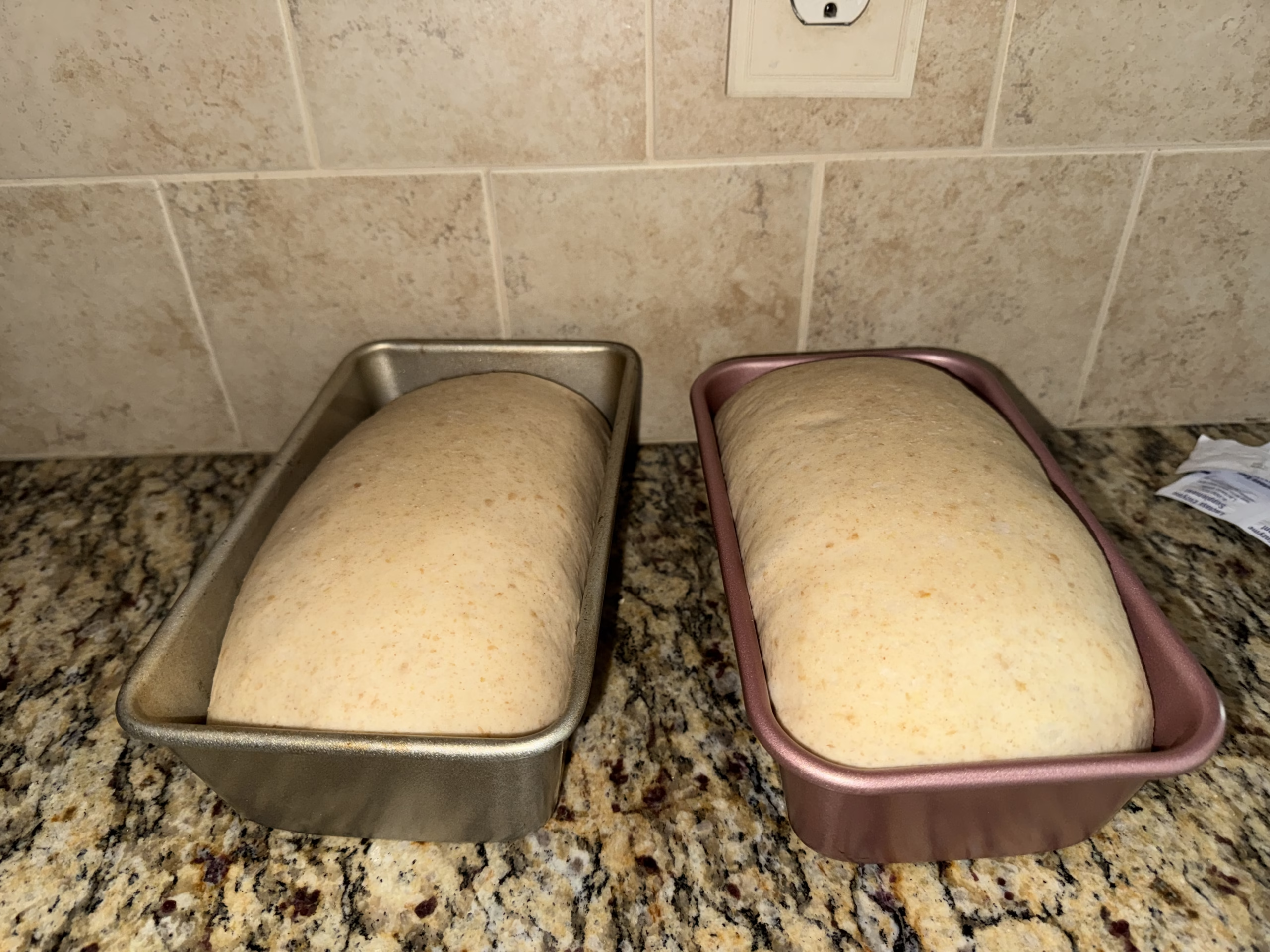
The Long Final Proof
Three hours later, both pans were finally ready—and the baker was considerably less patient.
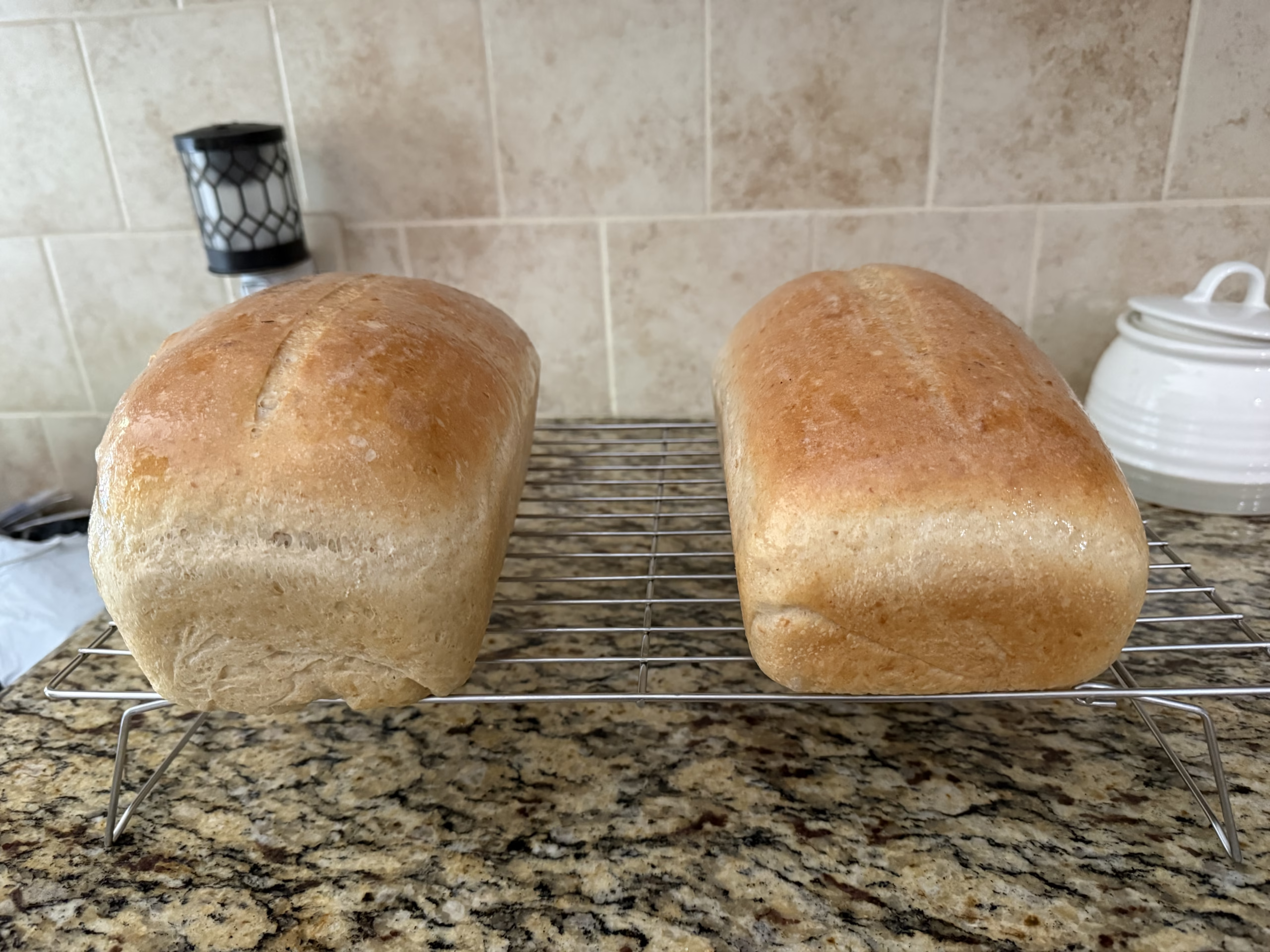
Finished Loaves
Both loaves emerged with excellent height, attractive browning, a soft crust, and strong oven spring.
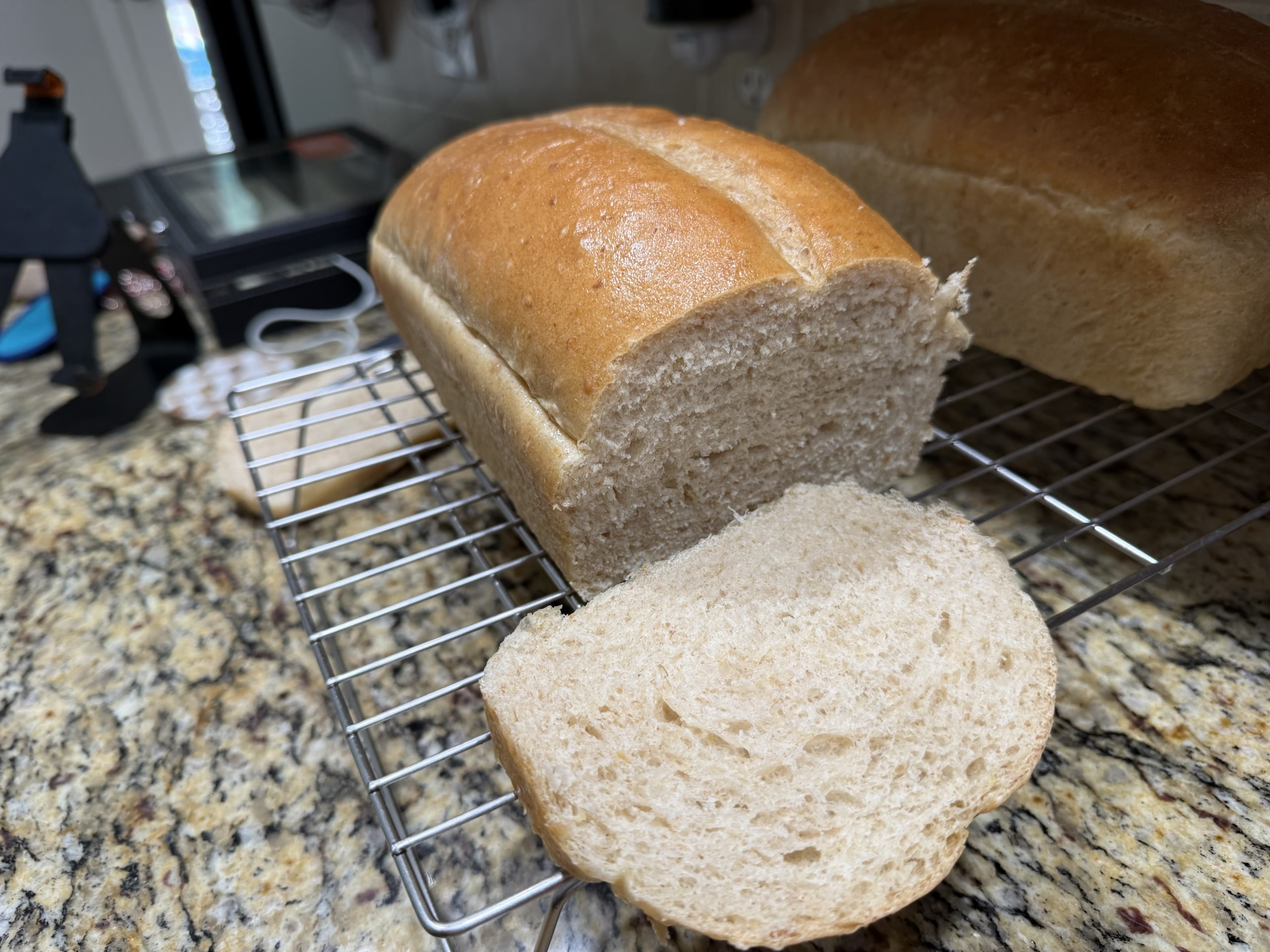
Crumb Evidence
The sliced loaf revealed a soft, even, resilient crumb suitable for sandwiches without the heaviness sometimes associated with “healthier” bread experiments.
07 What the Bread Revealed
Soft, Resilient Crumb
The crumb remained soft enough for an everyday sandwich loaf and recovered nicely when pressed.
Excellent Spring
Despite the long proof and higher-than-planned dough temperature, the finished bread had excellent height and spring.
Less Sweetness
The overly sweet quality of the original one-hour formula disappeared without making the new loaf bland.
Pleasant Nutty Flavor
The whole wheat and golden flaxseed added complexity without producing a heavy or aggressively “healthy” flavor.
Successful Child Testing
More than half a loaf disappeared shortly after cooling, limiting the laboratory’s ability to perform extended testing.
Immediate Repeat-Bake Potential
The baker declared it possibly the best bread he had ever made. Further testing suddenly seemed essential.
08 Nutrition Label Comparison
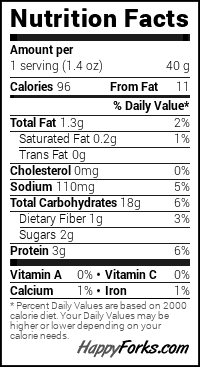
Control: Robyn’s One-Hour Bread
Experiment: Everyday Sandwich Bread
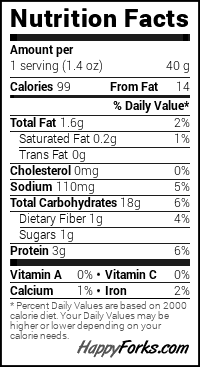
The two nutrition labels are remarkably similar. Calories, total carbohydrate, fiber, and protein changed very little. The experimental bread reduced the sugar modestly, but the labels alone do not establish a lower glycemic index or a meaningfully different post-meal glucose response.
What the experiment did establish was a noticeable improvement in flavor: the excessive sweetness disappeared, while the whole wheat, poolish, and flaxseed contributed a pleasant complexity.
What This Experiment Did Not Prove
This experiment did not directly measure glycemic index, glycemic load, or post-meal blood-glucose response. The inclusion of whole wheat flour, flaxseed, less added sugar, and longer fermentation may make the formula more thoughtful, but none of those changes proves a specific glucose effect in this finished bread.
Establishing such a difference would require controlled testing of both breads under comparable conditions, ideally in the same person with reliable glucose measurements.
This is not a low-carbohydrate bread, a diabetic bread, or a medical recommendation. It is still wheat bread—and wheat bread remains largely carbohydrate.
Hypothesis
A poolish, partial whole wheat substitution, golden flaxseed, reduced sugar, and slower fermentation could improve flavor while preserving sandwich-bread texture.
Result
The loaf remained soft and springy, developed an excellent crumb, lost the excessive sweetness, and gained a pleasant nutty flavor.
Unexpected Finding
The attempt to make the bread somewhat more thoughtful nutritionally produced a bread that simply tasted better.
Would I bake it again?
Absolutely. This may have become my new everyday bread.
The laboratory lost more than half a loaf to a group of children before complete testing could be conducted.