Bread Lab Field Notes
3 Things I Wish Someone Had Told Me Before I Started Baking Bread
Three early mistakes taught me more about bread than any perfect loaf ever could: trust the dough, watch what it does instead of the clock, and bake the bread the people at your table actually want to eat.
When I started baking bread, I assumed success meant following the recipe exactly. Add the ingredients, watch the timer, and expect the dough to behave on schedule.
That is not how bread works. Dough changes with temperature, humidity, flour, mixing, and time. These three mistakes finally taught me to stop forcing the process and start paying attention.
I Didn't Trust the Dough
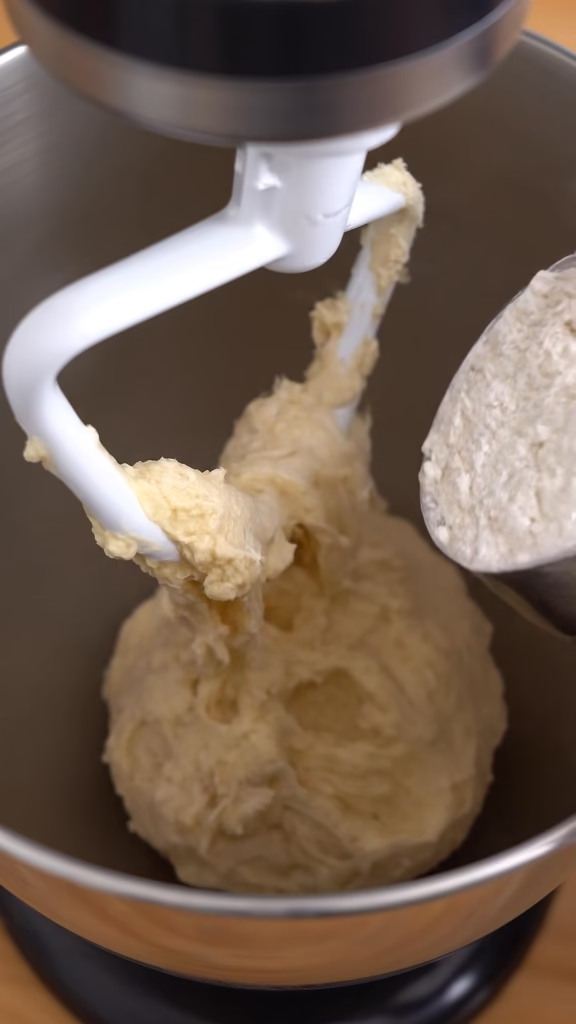
Sticky dough looked wrong to me, so I tried to fix it before it had time to become bread dough.
Like many beginning bakers, I thought I already knew how dough was supposed to look. The moment it seemed too wet, I added more flour. Sometimes I added enough to turn a perfectly workable dough into a heavy, uncooperative brick.
What I did not understand was that gluten development takes time. The dough may look messy during the first several minutes of mixing, but that does not mean the formula is wrong.
Today, I let the dough hook work before making corrections. Very often, the sticky mass begins cleaning the bowl and developing structure all on its own.
I Watched the Clock Instead of the Dough
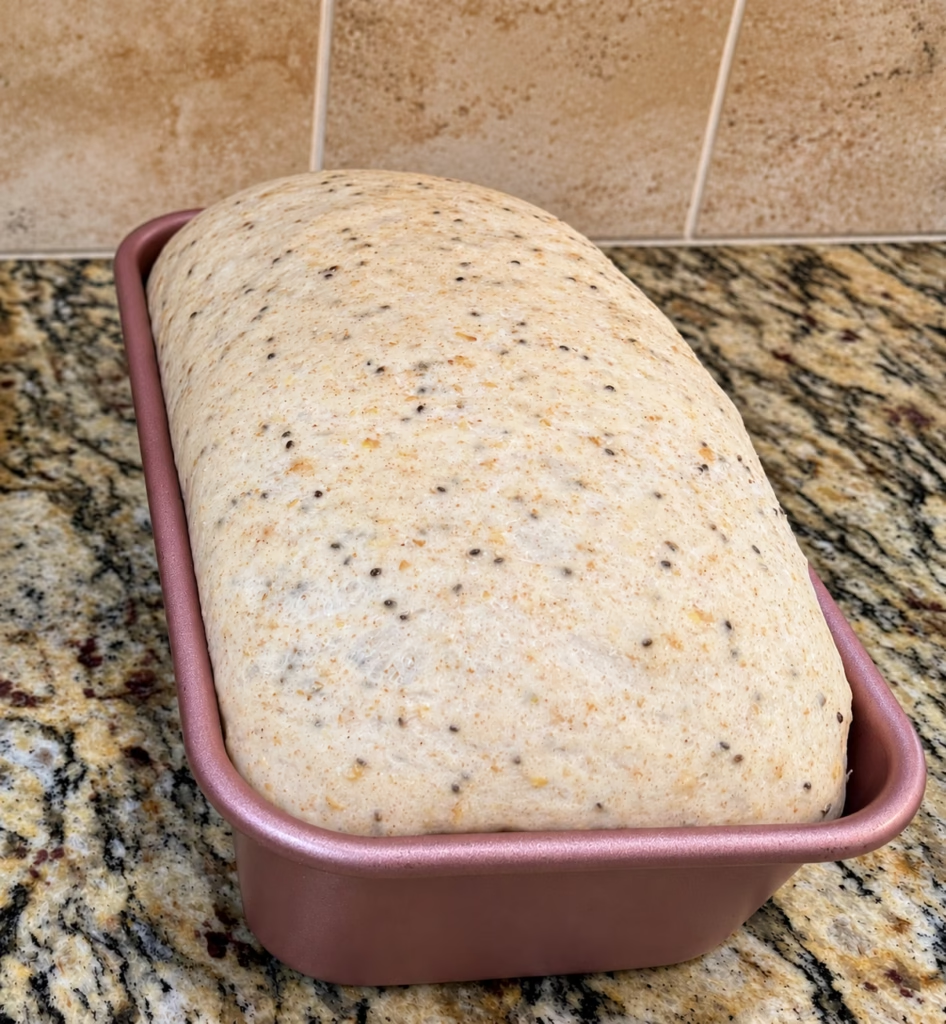
The dough does not know what time it is.
Early on, I would read, “Allow to rise 90 minutes.” Ninety minutes later, the loaf went into the oven—whether it was ready or not.
Now I look at the dough. In my loaf pan, I want it to rise to about an inch above the rim before baking. The exact time can change from one day to another, and that is normal.
Temperature, yeast activity, ingredients, and dough strength all affect fermentation. The time printed in a recipe is a useful estimate—not a command.
I Was Baking Bread for Me Instead of My Family
I was proud of my artisan loaves. They looked impressive, and baking them made me feel accomplished.
There was only one problem: the people in my house were not asking for artisan bread. They wanted bread that fit the way they actually ate.
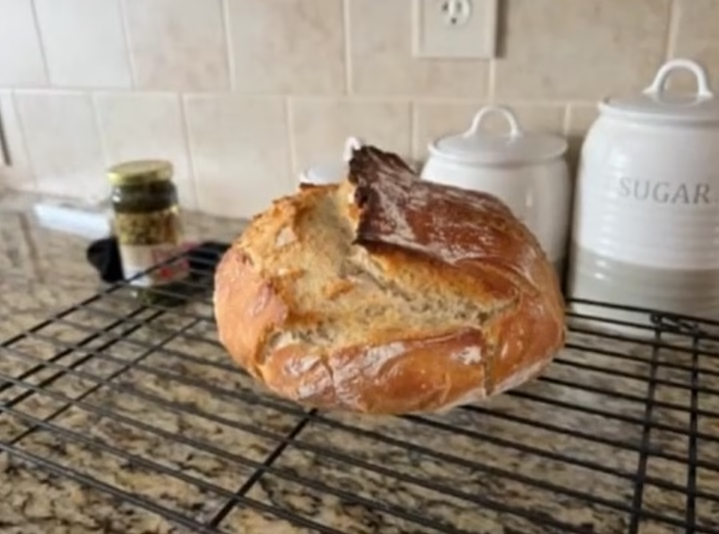
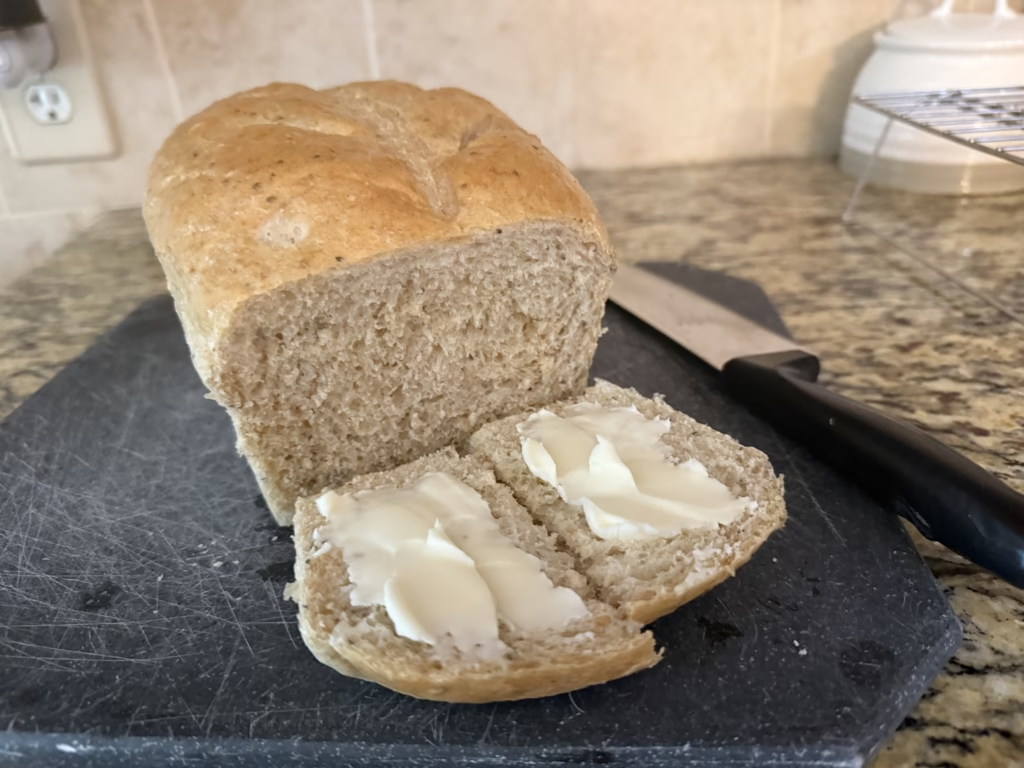
That realization changed the direction of Bread Lab. Artisan bread still has a place in my kitchen, but a successful loaf is not defined only by its crust, scoring, or dramatic crumb. It also has to be useful—and it has to be eaten.
The Best Mistakes I Ever Made
Looking back, I am glad I made every one of these mistakes. Without them, I might never have learned to trust the dough, recognize when fermentation is complete, or rethink what a successful loaf means.
I probably would not have developed the Healthy Sandwich Bread recipe that has become the loaf my family actually asks me to bake.
That is what Bread Lab is really about—not chasing perfection, but getting a little better with every loaf.
Happy baking,Ross