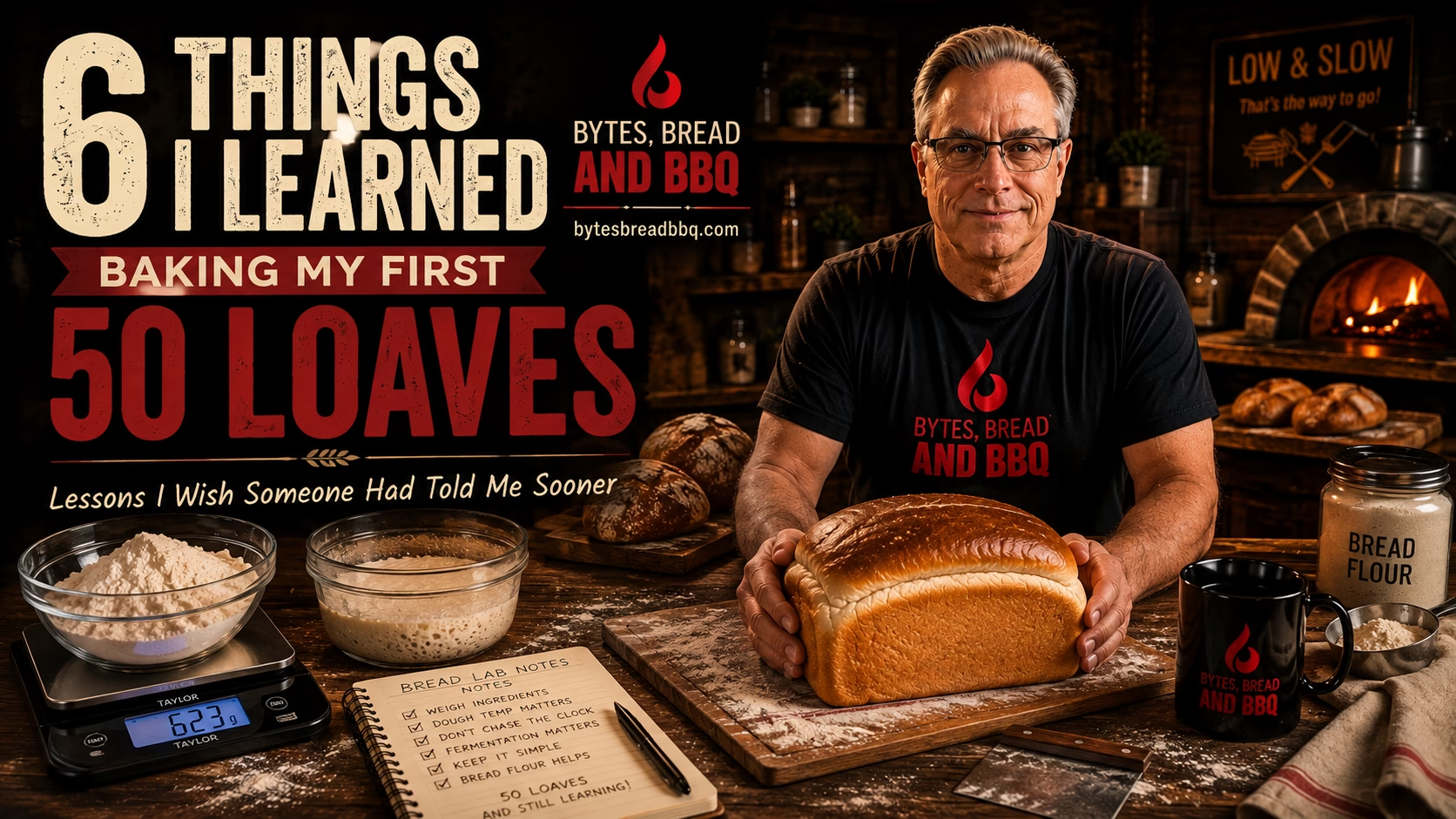
6 Things I Learned After Baking My First 50 Loaves
Fifty loaves, several flour-covered shirts, and enough lessons to fill a proofing basket.
I did not become a master baker after fifty loaves. I did, however, become much better at recognizing what the dough was trying to tell me.
Some loaves rose beautifully. Some were a little less enthusiastic. A few appeared to be applying for work as masonry products. But every bake taught me something useful, and these six lessons made the biggest difference.
Weigh the Ingredients
A cup of flour is not always a cup of flour. It depends on how the flour was scooped, stirred, packed, leveled, or persuaded into the measuring cup. That variation changes the amount of flour in the dough, which changes hydration, texture, and sometimes the entire personality of the loaf.
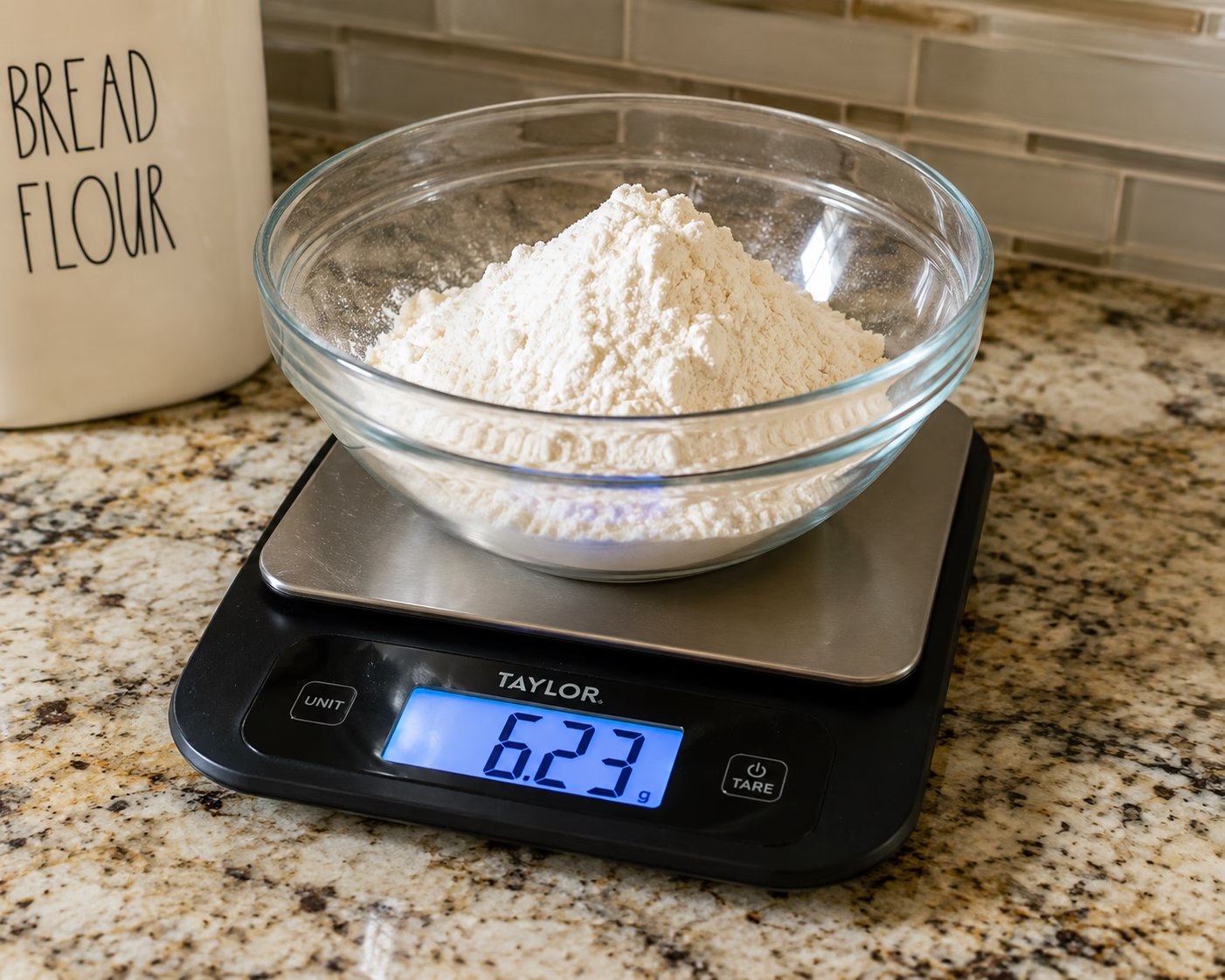
A digital scale removes most of that uncertainty. When a recipe calls for 500 grams of flour, you can use 500 grams today, next week, and six months from now. Consistency makes it much easier to repeat a good loaf—or figure out what went wrong with a bad one.
What I learned: Measuring cups are excellent for coffee. For bread, I reach for the scale.Dough Temperature Matters
Yeast does not own a wristwatch, but it pays very close attention to temperature. Warm dough ferments faster. Cooler dough ferments more slowly and usually has more time to develop flavor.
Too warm, and the dough can race through fermentation before flavor and structure have had time to catch up. Too cool, and the dough may appear to be doing absolutely nothing while quietly testing your patience.
This was one of my biggest discoveries: the same recipe can behave very differently in a warm summer kitchen and a cool winter one. The dough is not being difficult. It is responding to its environment—rather like the rest of us before the first cup of coffee.
What I learned: Temperature helps explain why yesterday's perfect schedule may not work today.Watch the Dough, Not the Clock
A recipe may say to let the dough rise for 90 minutes. That is useful guidance, but it is not a court order. Kitchen temperature, dough temperature, yeast activity, flour, hydration, and even altitude can change the timing.
The better approach is to learn the visual and physical signs of readiness. Has the dough expanded as expected? Does it look airy? During final proofing in a loaf pan, has it reached the height appropriate for that recipe—often near or slightly above the rim?
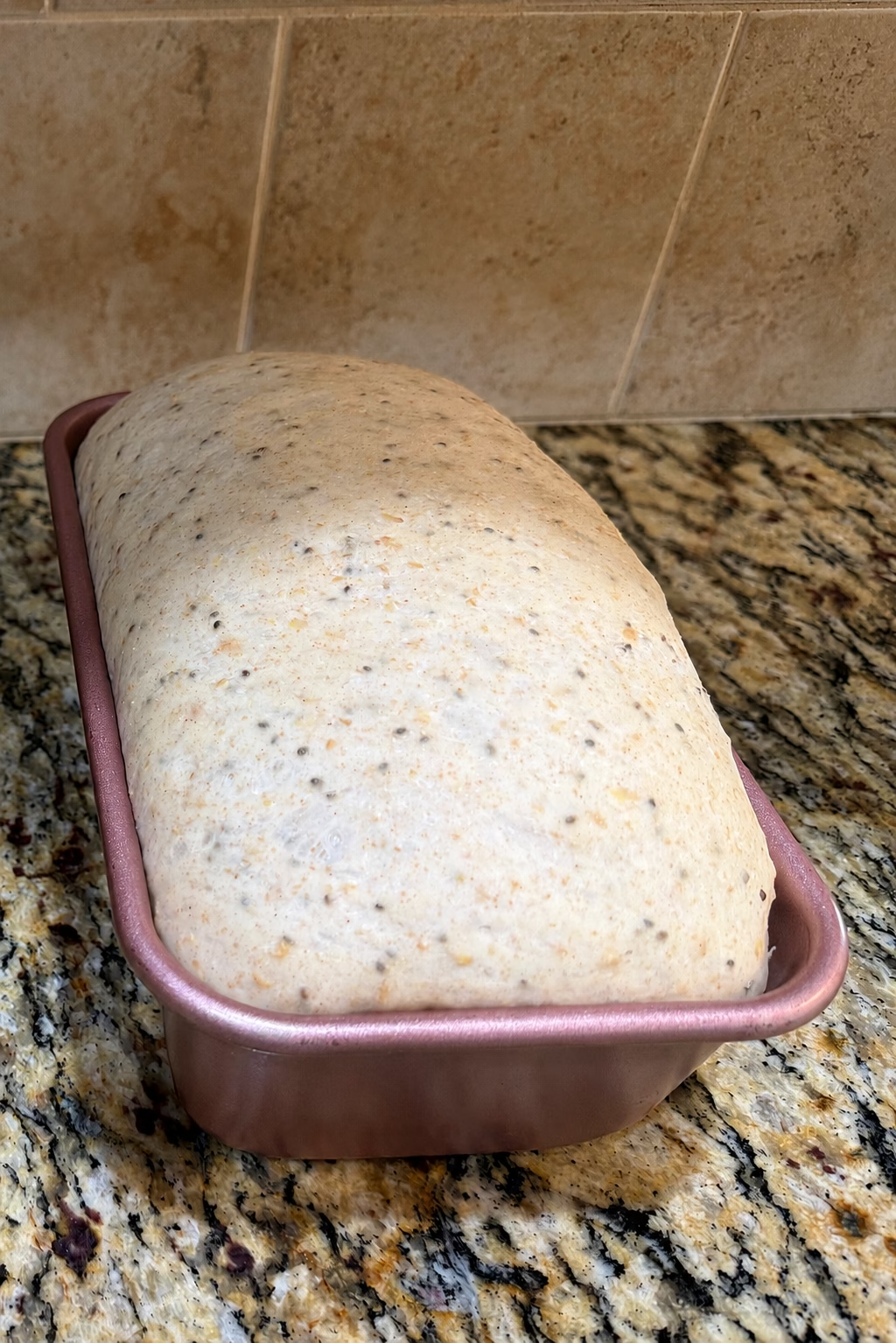
The clock can tell you when to look. Only the dough can tell you when it is ready.
What I learned: A timer is an assistant, not the head baker.Fermentation Builds the Bread
Mixing combines the ingredients. Fermentation turns them into bread.
Poolish and biga are two common preferments: portions of flour, water, and yeast prepared before the final dough. They add another stage to the process, often overnight, giving fermentation more time to develop aroma, flavor, and crumb character.
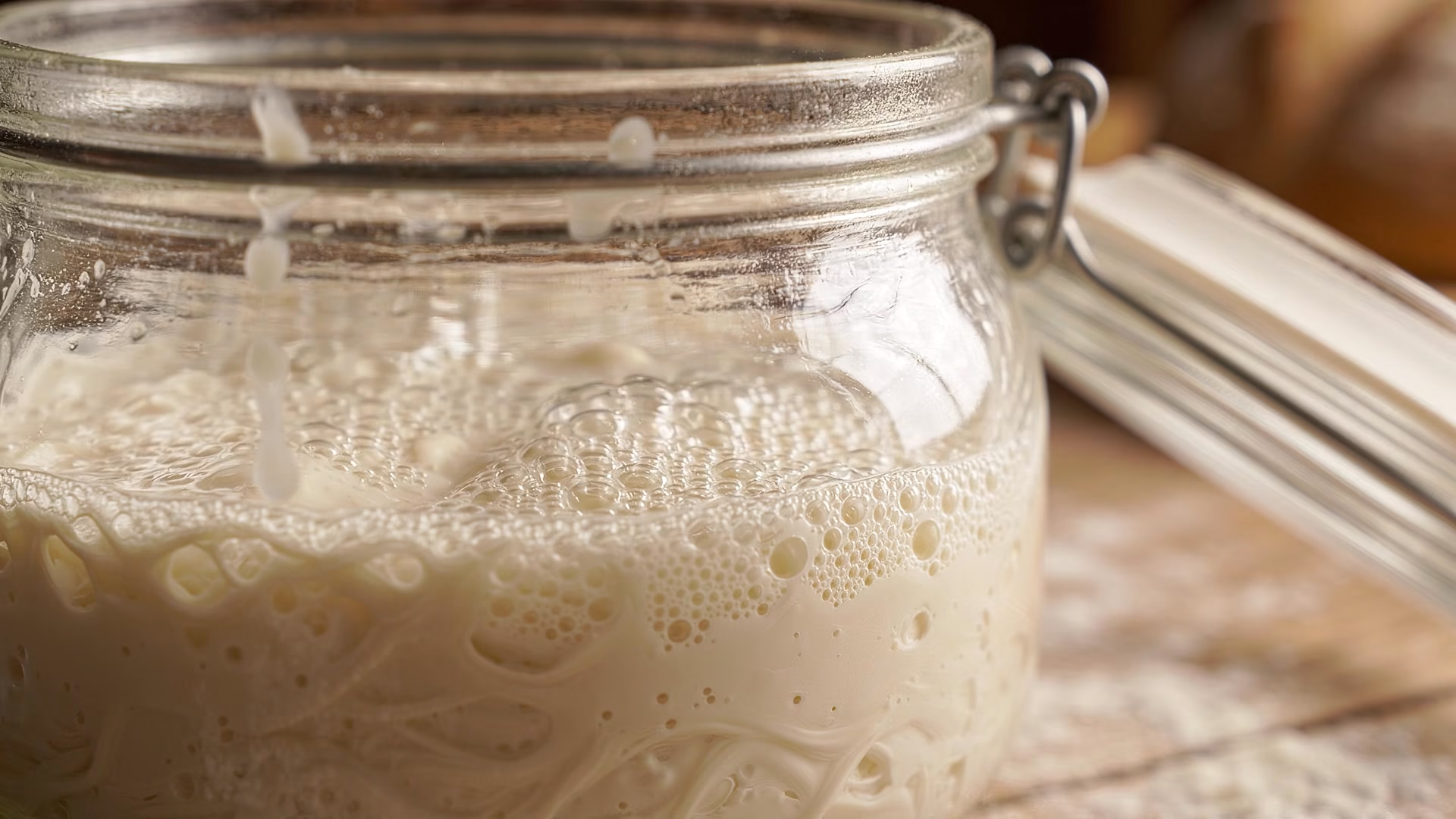
Yes, this requires planning ahead. Yes, sometimes I want bread now. Unfortunately, yeast has declined my repeated requests to work on demand.
Preferments can also help bread stay pleasant longer and may make it feel easier for some people to digest. That does not make ordinary wheat bread gluten-free, however. Fermentation is talented, but it is not a magician.
What I learned: Time is not an empty step in a bread recipe. Time is an ingredient.Expensive Equipment Is Optional
You do not need the newest mixer, a dedicated proofing box, designer loaf pans, or olive oil that arrives with its own financial adviser. People made bread for thousands of years before countertop appliances developed touchscreens.
I enjoy using my Joydeem dough maker, and good tools can make the process easier. But they do not replace understanding the dough. A bowl, your hands, an ordinary pan, and a little patience can still produce excellent bread.
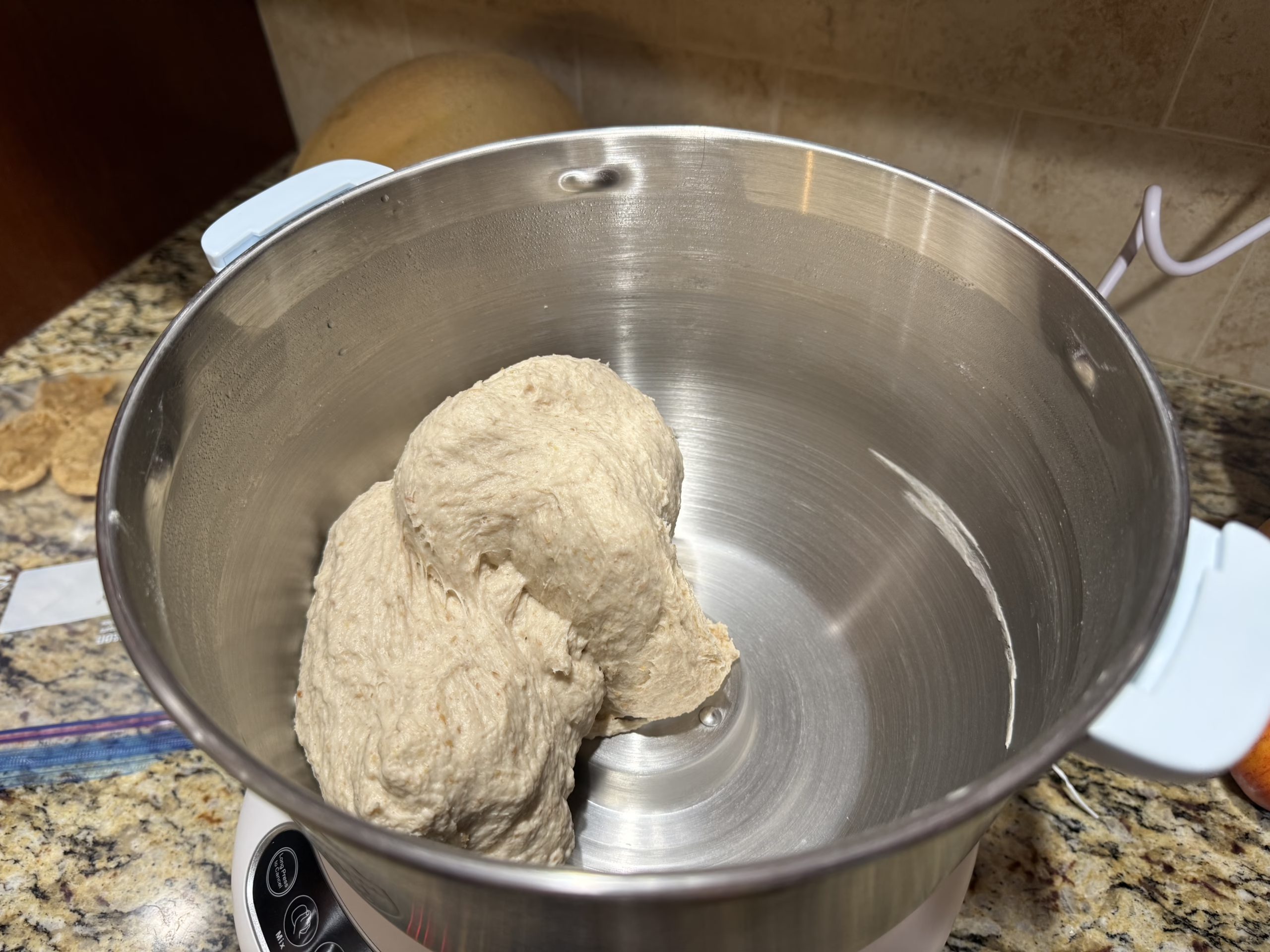
Most kitchens already contain nearly everything needed to begin. The one inexpensive tool I would strongly recommend is a digital kitchen scale, because it improves both consistency and troubleshooting.
What I learned: Buy equipment because it helps—not because bread Instagram made you feel inadequate.Bread Flour Helps—But It Is Not a Superpower
Bread flour generally contains more protein than all-purpose flour. That added protein can support stronger gluten development, which is often helpful for rise, chew, and structure.
But “bread flour” does not automatically mean “better flour.” Some breads benefit from the tenderness of all-purpose flour, and different brands absorb water differently. My own pita experiments reminded me that flour can still surprise you, even when you think you know which bag should need more water.
The slightly higher protein content of bread flour does add a little more dietary protein, but not enough to transform an ordinary slice into a protein shake wearing a crust.
What I learned: Choose flour for the bread you want—not simply because the bag says “bread.”The Biggest Lesson
Bread becomes much less mysterious once you stop expecting every batch to follow the script perfectly. Recipes provide a plan, but flour, temperature, fermentation, and time all get a vote.
After fifty loaves, I still make mistakes. The difference is that I now have a better chance of understanding them—and occasionally turning them into a Bread Lab article before anyone notices the loaf could double as a doorstop.