
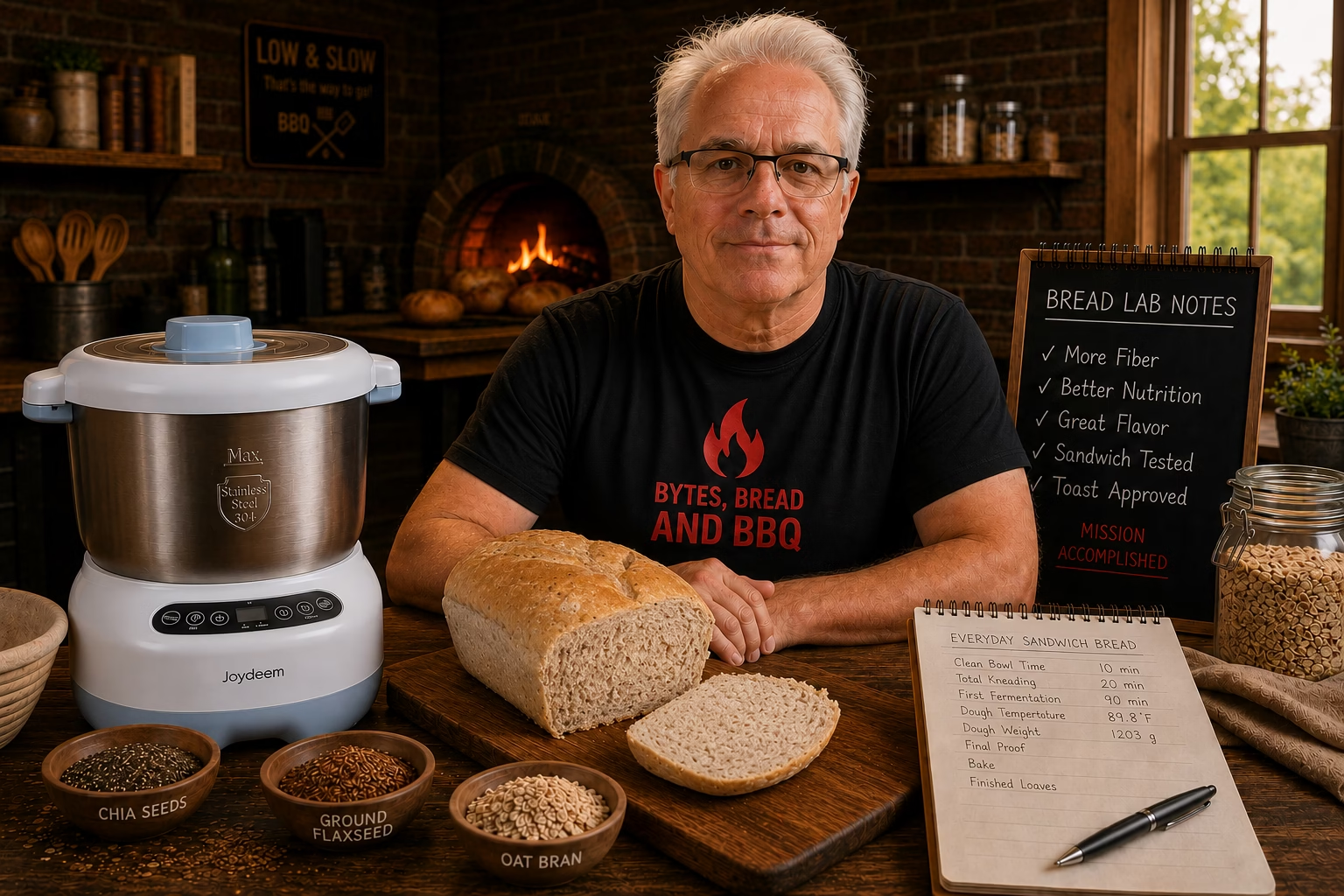
Bread Lab · Experiment 002
Bread Lab Signature
Sandwich Bread
Could chia seed and oat bran make our Everyday Sandwich Bread a little more thoughtful nutritionally—or would we accidentally bake a very respectable bag of birdseed?
01 The Loaf We Could Not Leave Alone
Bread Lab Experiment 001 took an excellent one-hour sandwich bread and slowed it down. We introduced an overnight poolish, whole wheat flour, ground flaxseed, less perceived sweetness, and a fermentation schedule that had no interest whatsoever in finishing within one hour.
The result became our Everyday Sandwich Bread: soft, springy, pleasantly nutty, dependable for sandwiches, and excellent when toasted. In other words, it worked—which naturally meant the Bread Lab had to start interfering with it again.
Experiment 002 adds whole chia seeds and oat bran while keeping the poolish, whole wheat flour, ground golden flaxseed, olive oil, and soft sandwich-bread structure. The objective was not to create “health bread.” Nobody asked for a loaf that tastes like punishment.
The objective was to see whether we could add a little more fiber and build a more thoughtfully formulated loaf without sacrificing the flavor, softness, spring, or structural integrity required to hold an actual sandwich.
02 The Research Question
Can chia seed and oat bran be added to our Everyday Sandwich Bread while preserving its soft crumb, excellent oven spring, nutty flavor, sandwich strength, and keeping quality?
Laboratory disclaimer: The Bread Lab remains unable to turn wheat flour into a medical miracle. We checked twice.
03 The Evolution of the Loaf
One-Hour Sandwich Bread
The starting point was Robyn on the Farm 's fast, soft, sweet, and extremely dependable sandwich loaf. It proved that very good bread could appear in roughly the time it takes some delivery drivers to locate my house.
Everyday Sandwich Bread
Experiment 001 added a poolish, whole wheat flour, ground flaxseed, less perceived sweetness, and slower fermentation. The crumb and spring survived. The flavor improved.
Signature Sandwich Bread
Experiment 002 adds chia seed and oat bran. The challenge was to keep the loaf unmistakably soft sandwich bread—not convert it into an earnest brick wearing a nutrition label.
04 What Changed
Whole Chia Seeds
Twenty grams of chia seed added fiber and small dark flecks throughout the crumb. Happily, the finished loaf does not announce itself as chia bread from across the room.
Oat Bran
Fifteen grams of bread flour were replaced with oat bran. It was a restrained addition: enough to contribute beta-glucan-containing oat fiber, but not enough to require structural engineering permits.
Ground Golden Flaxseed
The twenty grams of flaxseed from Experiment 001 remained. It continued contributing the subtle nutty character that made the Everyday Sandwich Bread better than expected.
Overnight Poolish
Flour, water, and a tiny amount of yeast received an overnight head start. The test batch used an eleven-hour poolish and developed excellent flavor without the overt sweetness of the original one-hour loaf.
05 The Formula
Bread Lab Signature Sandwich Bread · Version 2.0
Makes two sandwich loaves
Night Before: Poolish
- 150 g King Arthur Bread Flour
- 150 g water
- ⅛ teaspoon active dry yeast
Mix until fully combined. Cover and ferment at room temperature for approximately 12–16 hours.
Final Dough: Dry Ingredients
- 510 g King Arthur Bread Flour
- 75 g whole wheat flour
- 15 g Bob’s Red Mill Oat Bran
- 20 g ground golden flaxseed
- 20 g whole chia seeds
- 9 g salt
- 1½ teaspoons active dry yeast
Wet Ingredients
- Entire poolish
- 310 g warm water, approximately 95°F
- 30 g olive oil
- 25 g sugar
- Up to approximately 10 g additional warm water, if needed
Equipment Used
- Joydeem JD-HMJ7L dough maker with fermentation function
- Two greased loaf pans
- Digital kitchen scale
- Instant-read thermometer
Joydeem Mixing Plan
- Add the ingredients in this order: entire poolish, 310 g warm water, olive oil, sugar, and all dry ingredients.
- Mix for 10 minutes.
- Check the dough. It should be smooth, elastic, slightly tacky, and beginning to clean the bowl.
- If the dough feels firm, add 5 g water, mix for 2 minutes, and reassess. Repeat once if needed.
- Continue kneading until the dough passes a windowpane test. The expected total kneading time is approximately 15–20 minutes.
Bulk Fermentation
Use the Joydeem fermentation cycle. Expect approximately 75–90 minutes, but look for a 75–90% increase in volume rather than arguing with the clock.
Divide and Shape
- Divide the dough into two equal pieces.
- Bench rest for 10 minutes.
- Shape each piece tightly.
- Place into two greased loaf pans.
Final Proof
Proof until the dough reaches approximately one inch above the rim of the pan. Depending on dough and room temperature, this may take roughly 2–3 hours. This test batch required 2 hours.
Bake
Bake at 350°F for 30–35 minutes, until the internal temperature reaches approximately 195–200°F. Brush with butter if desired. Cool for at least 1–2 hours before slicing—unless your household has launched a coordinated butter operation.
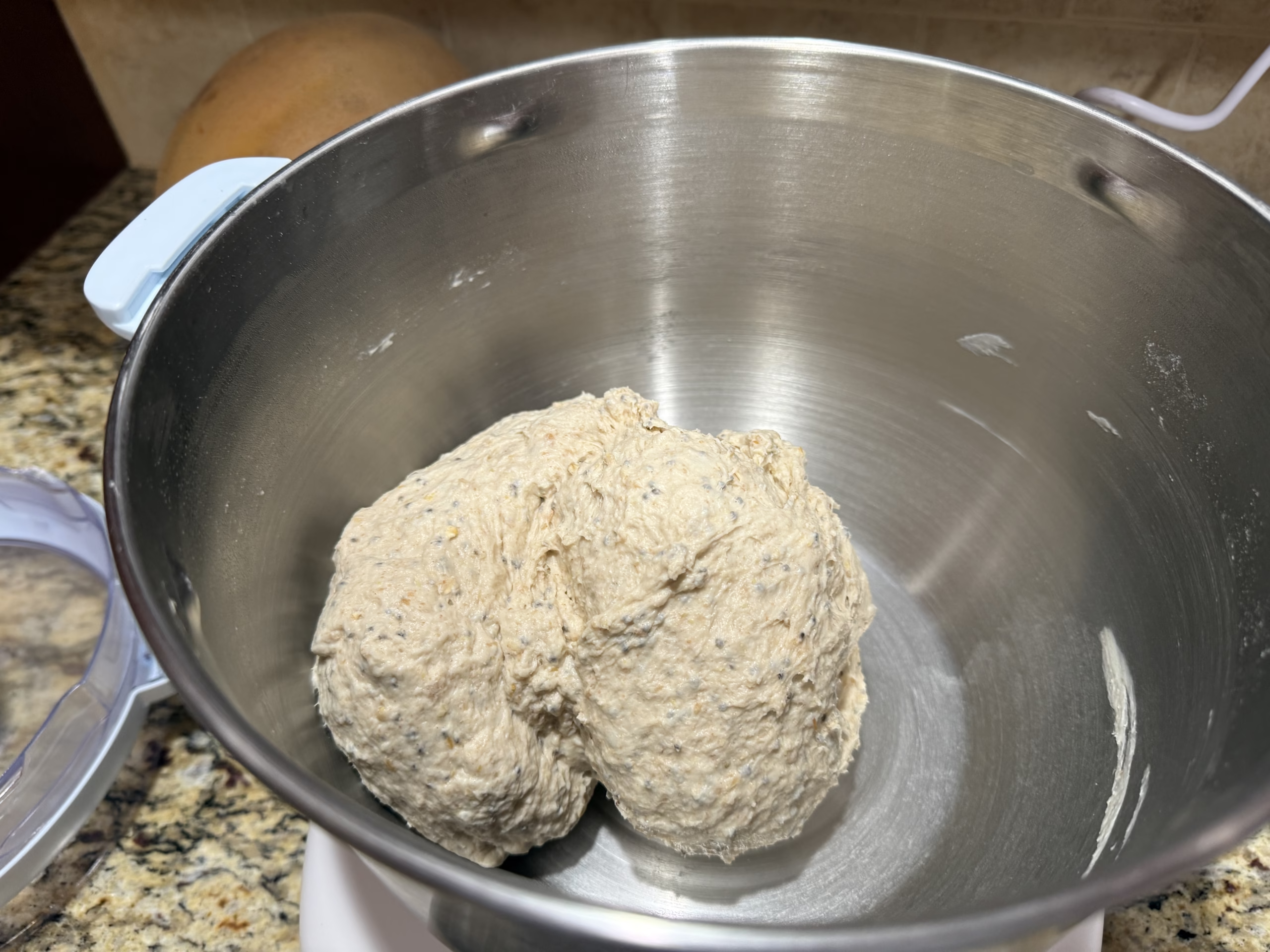
06 Laboratory Log
Both loaves declined to file a complaint.
07 Evidence Collected
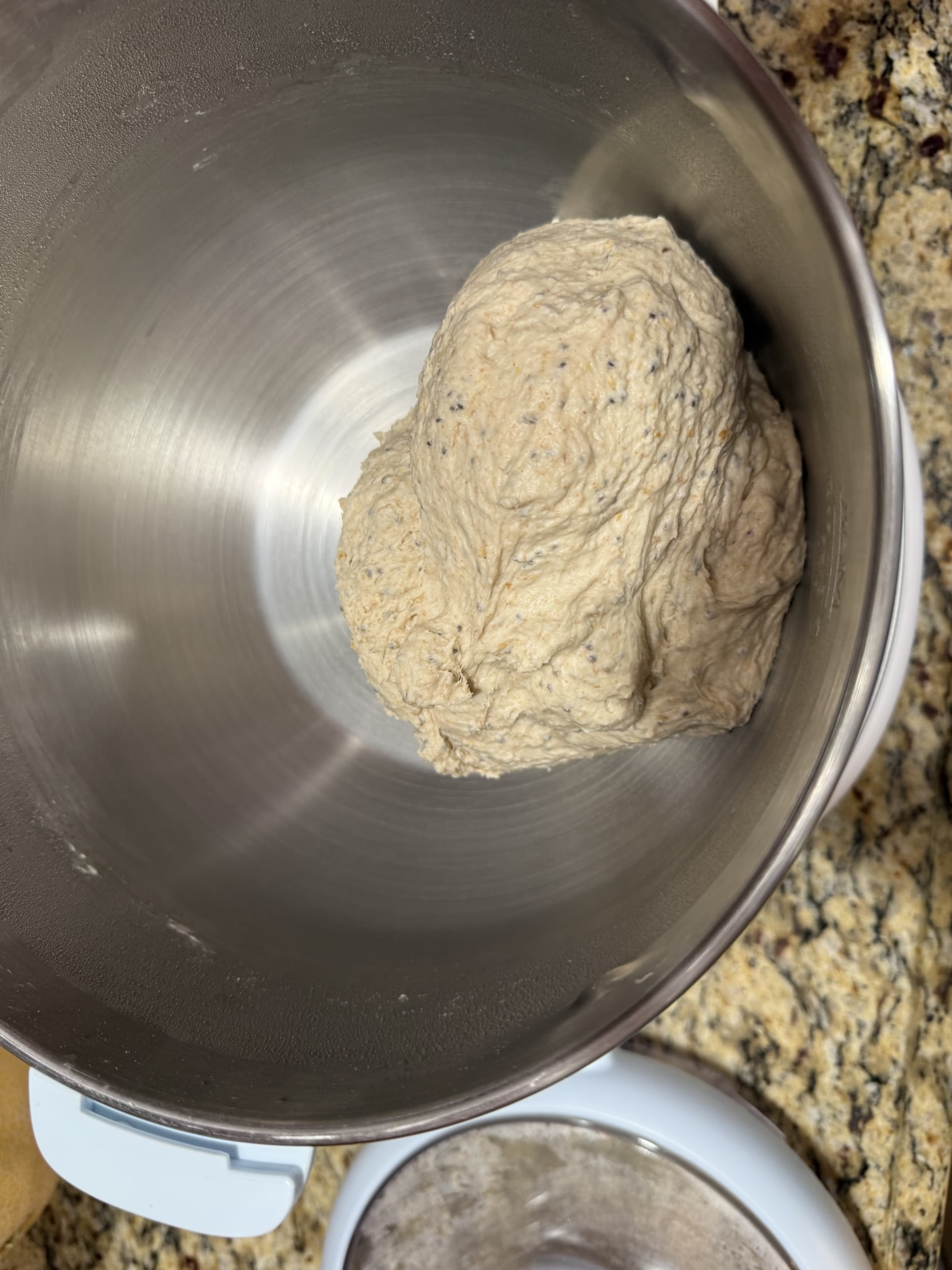
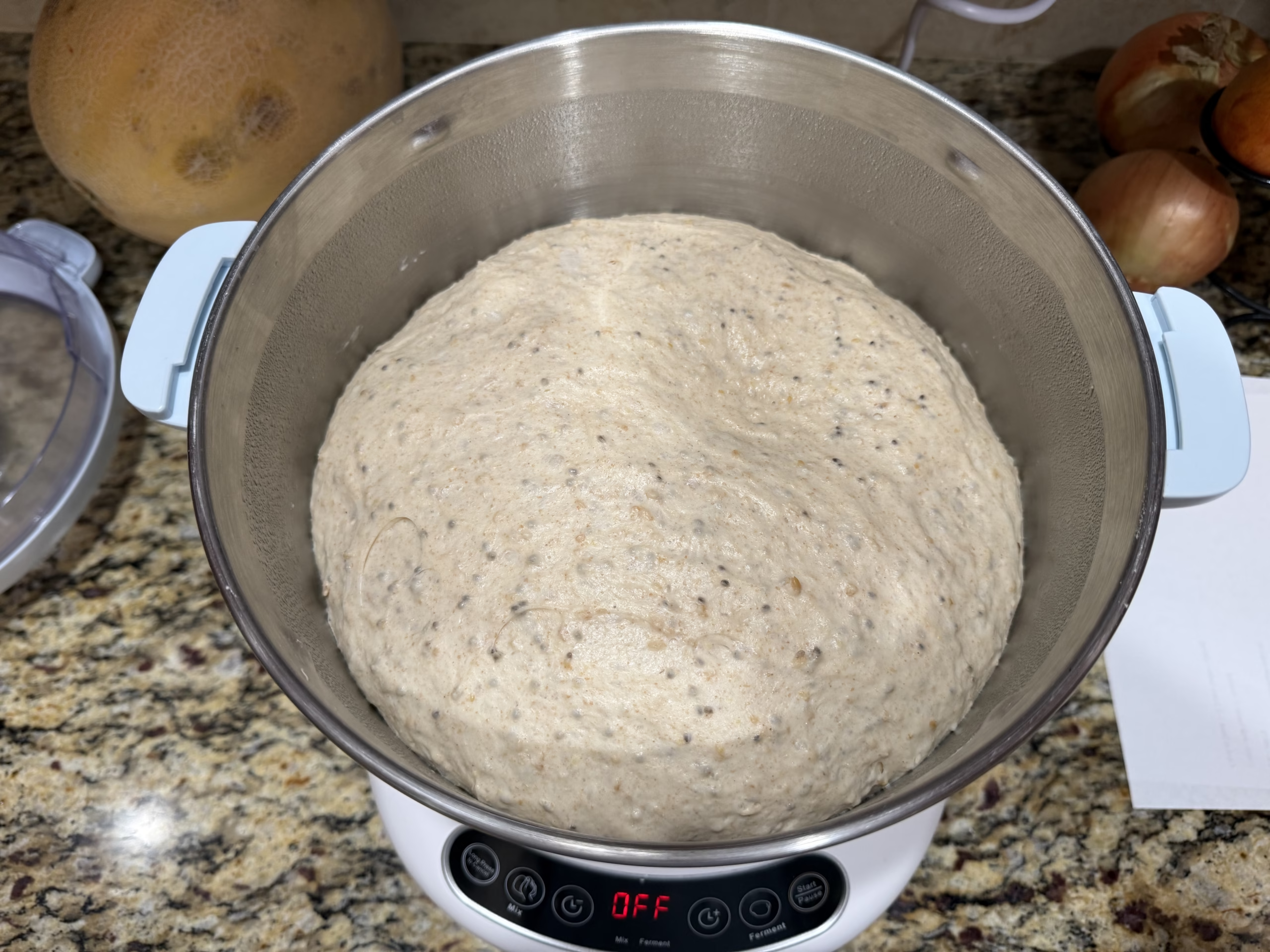
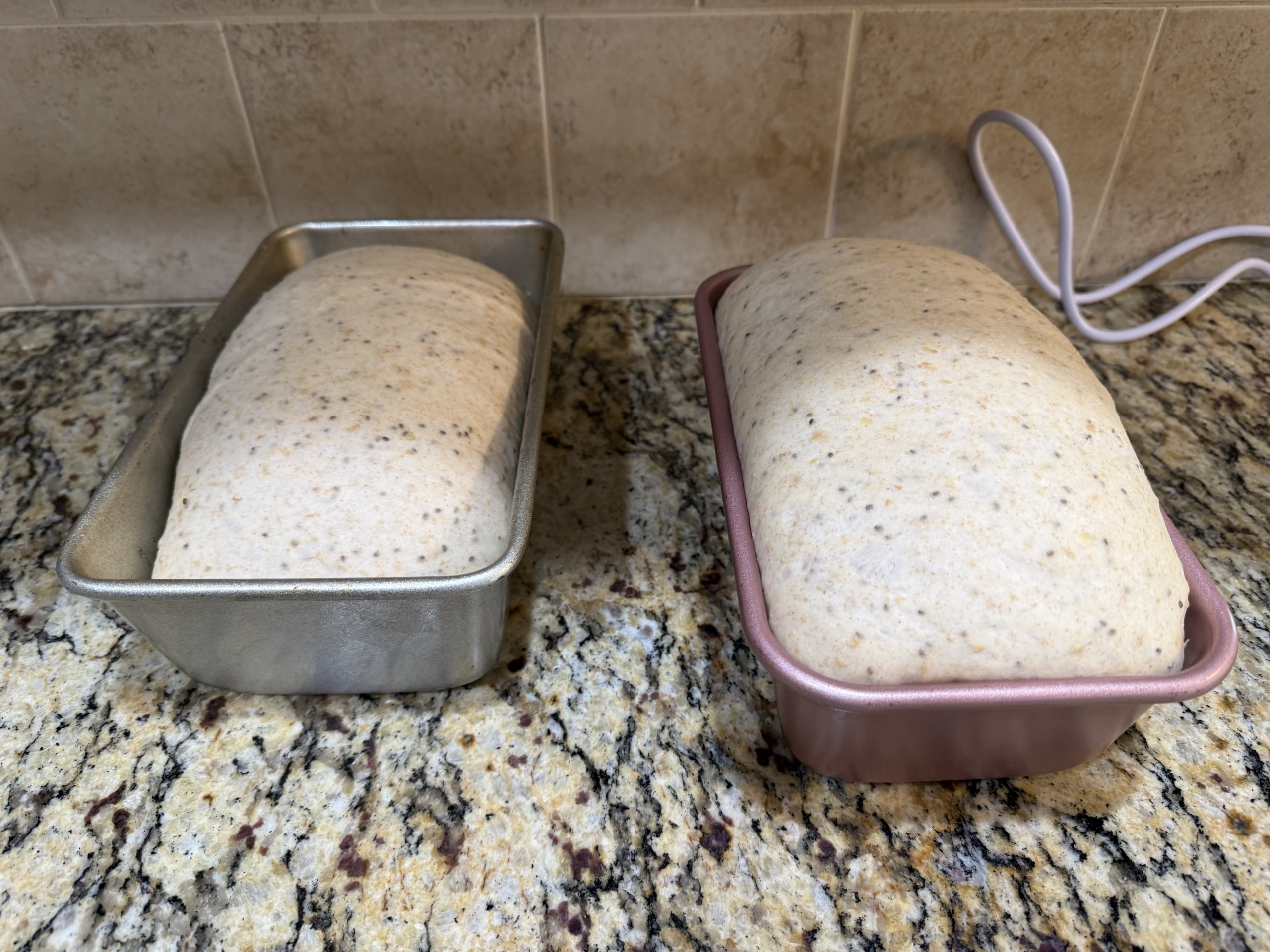
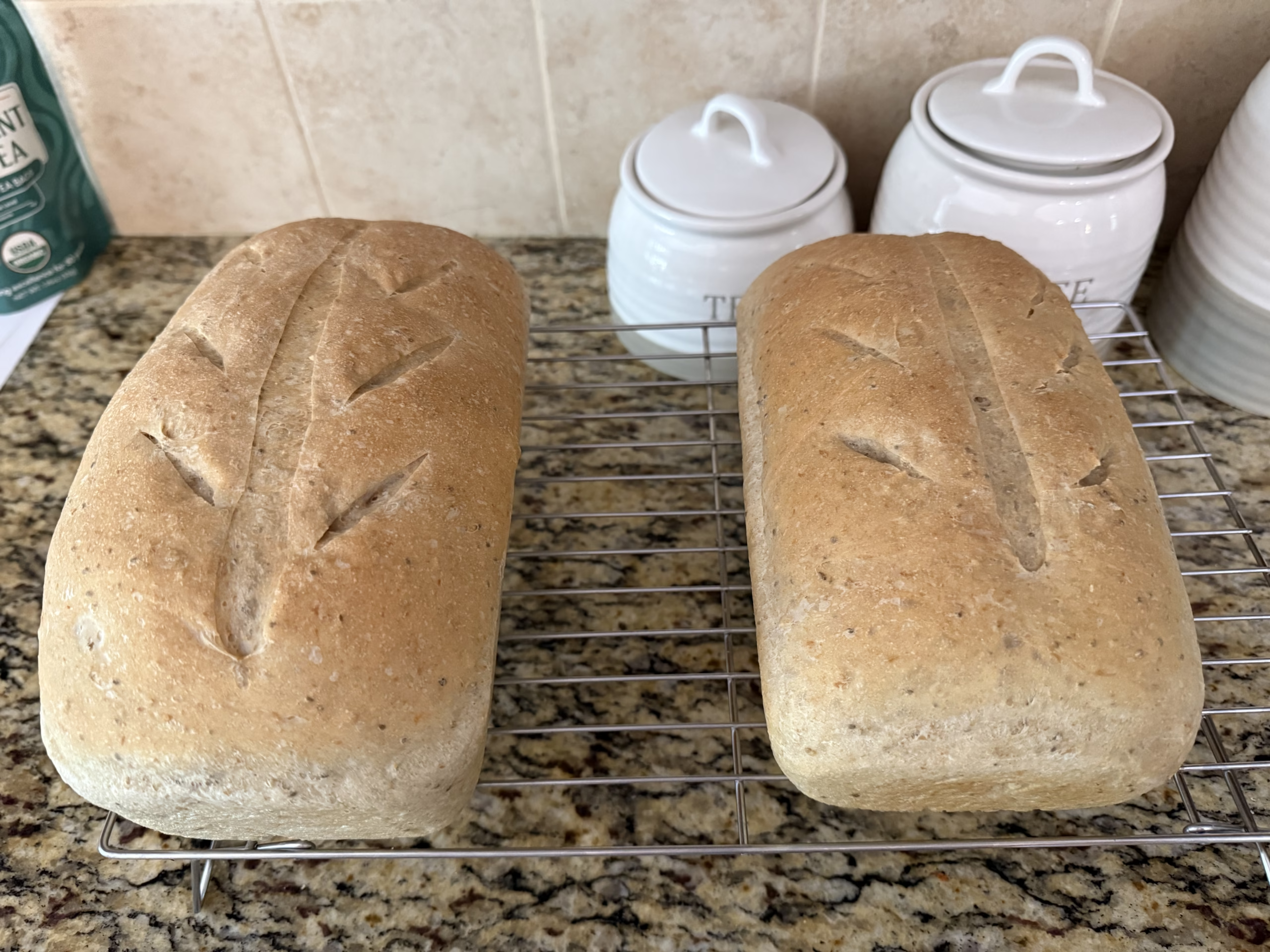
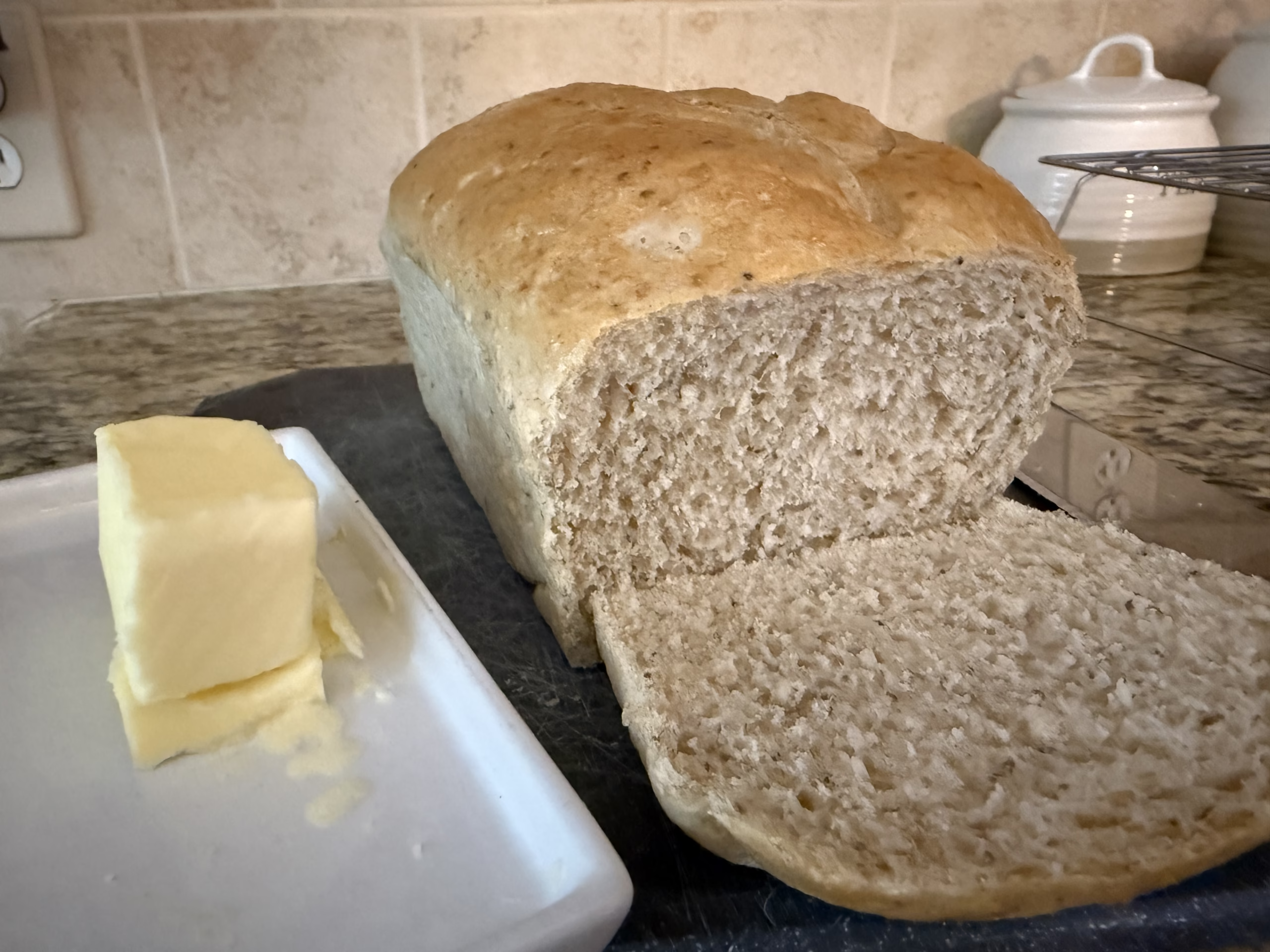
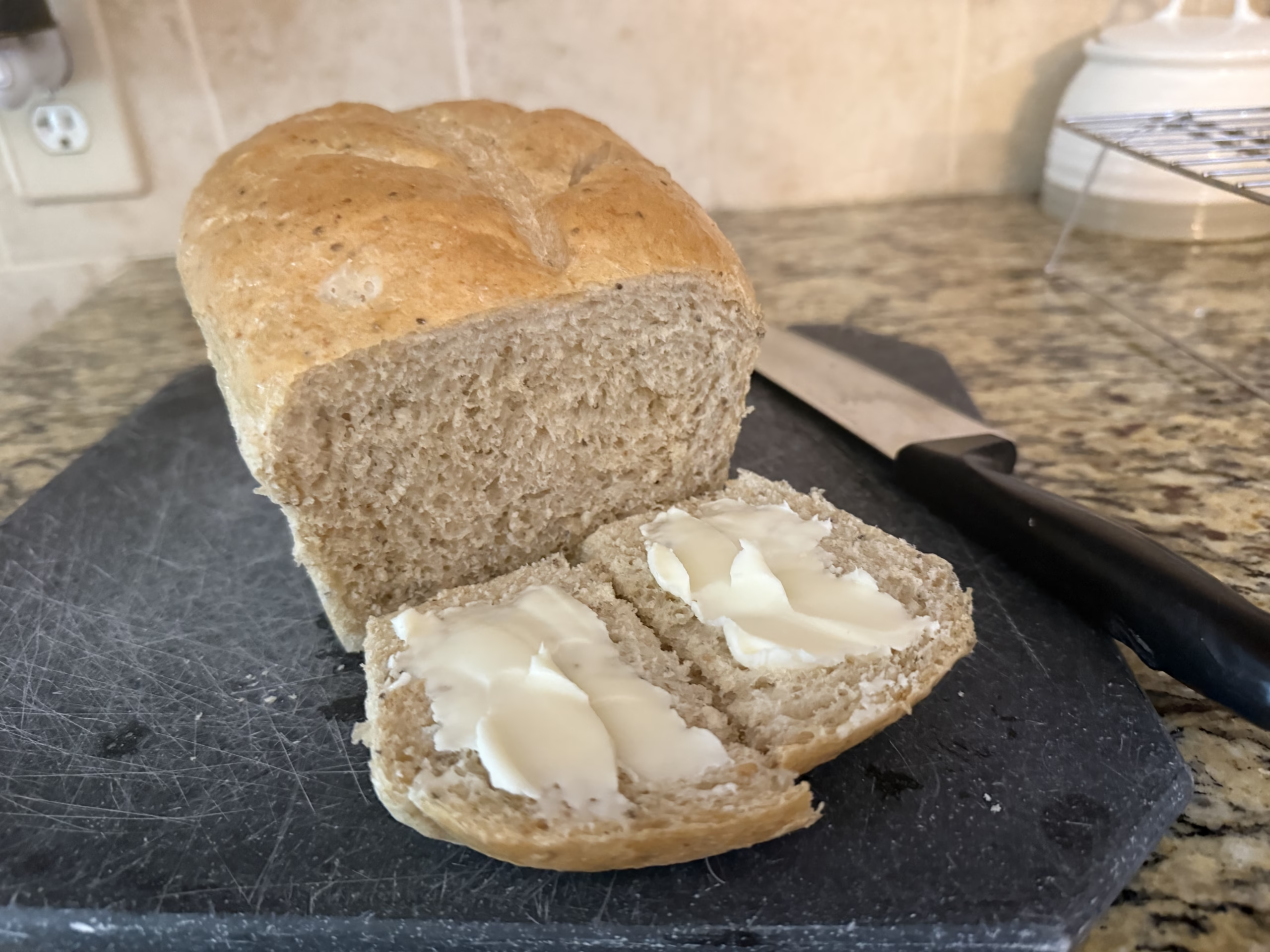
08 Post-Bake Evaluation
What Survived the Experiment
- The soft sandwich-loaf character remained intact.
- The crumb retained excellent spring.
- The loaf sliced cleanly and held together well.
- The crust remained thin and tender.
- The bread remained soft after cooling.
- The nutty flavor was retained and may be slightly stronger.
- The overt sweetness of the original one-hour bread was gone.
The unexpected result:
I think this bread may taste even better than the Everyday Sandwich
Bread from Experiment 001. It kept the soft crumb and useful
sandwich structure, but the chia, flax, oat bran, whole wheat, and
poolish produced a fuller nutty flavor without making the loaf taste
like a nutritional obligation.
09 Nutrition Labels: The Less Dramatic Part
One-Hour Sandwich Bread
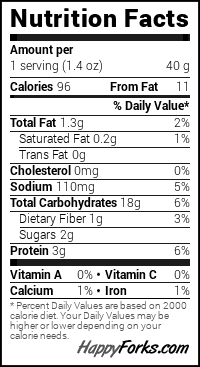
Everyday Sandwich Bread · Experiment 001
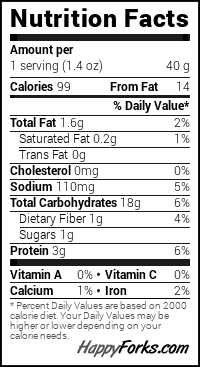
Signature Sandwich Bread · Experiment 002
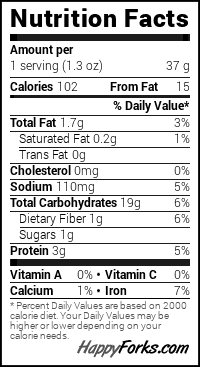
The nutrition label is not the dramatic reveal one might expect after inviting chia seed, flaxseed, oat bran, and an overnight poolish to the meeting. Per 37-gram slice, the estimate is 102 calories, 19 grams of carbohydrate, 1 gram of dietary fiber, 1 gram of sugar, and 3 grams of protein.
In practical terms, the label remains remarkably similar to the one-hour bread and Experiment 001. This formula does include different ingredients and fermentation, but the label by itself does not establish a lower glycemic index or a meaningfully smaller blood-glucose response.
What the experiment clearly did establish was better flavor, excellent texture, and a loaf I prefer eating. Sometimes the most important result is not a spectacular number. Sometimes it is that the bread disappears.
What This Experiment Did Not Prove
This kitchen experiment did not directly measure glycemic index, glycemic load, insulin response, or post-meal blood glucose. The bread was formulated with an overnight poolish, whole wheat flour, ground flaxseed, chia seed, and oat bran, but those ingredients do not prove a specific effect in this finished loaf.
The new bread is still made primarily from wheat flour. It contains carbohydrates and will still stimulate a metabolic response. It is not low-carbohydrate bread, “diabetic bread,” or medical advice.
Determining whether it produces a gentler personal glucose response than the earlier loaves would require comparable testing under controlled conditions. Until then, the responsible conclusion is that we improved the formula and the flavor—not that we cured bread.
Hypothesis
Chia seed and oat bran could be added to the Everyday Sandwich Bread while preserving softness, spring, flavor, and sandwich performance.
Result
The loaf remained soft, produced an even and springy crumb, sliced cleanly, and retained excellent structure for sandwiches and toast.
Unexpected Finding
The new formula did not merely survive the added ingredients. It may have produced the best-tasting sandwich bread of the three versions.
Would I bake it again?
Absolutely. I expect this to become our regular weekly household bread.
The final loaf remained soft, accepted butter enthusiastically, and offered no evidence that it wished to return to the laboratory.
2 thoughts on “Bread Lab Case 002: Signature Healthy Sandwich Bread”
Where should I start with my review 🤔 👀
It smelled so good , I didn’t eat a slice till breakfast the next day. Mike made eggs an toasted 2 slices an put honey 🍯 on it 😋 OMG it was so delicious. I ate another slice.
So I’m giving you the HIGHEST RATING ( whatever that is) ..
Thanks, Shirley! I’m so glad you both enjoyed the bread! Eggs, toast, and honey sounds like a winning breakfast. 😊