
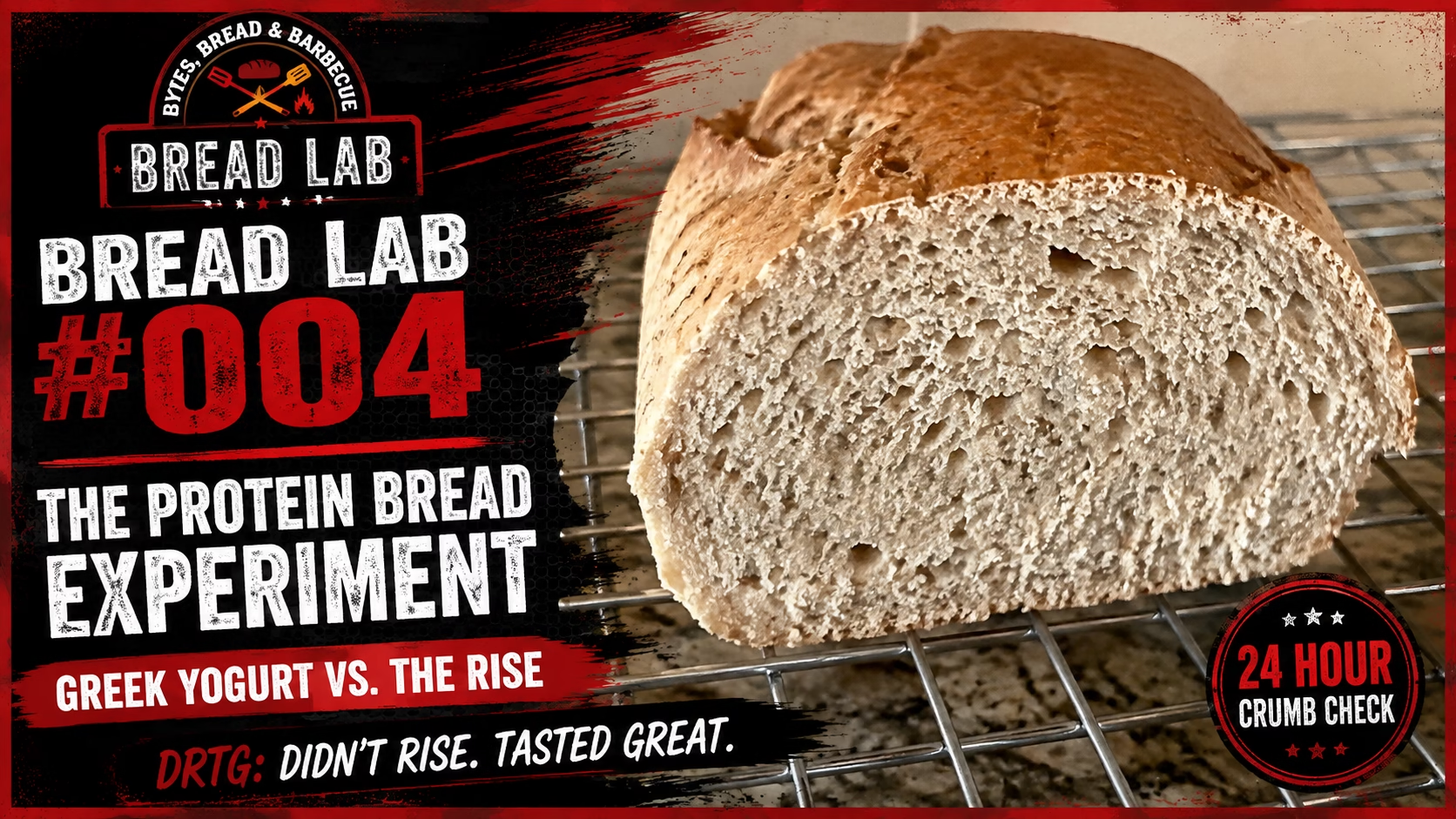
Can Greek Yogurt Turn My Sandwich Bread Into Protein Bread?
Or: DRTG — Didn't Rise, Tasted GreatMy Healthy Sandwich Bread experiment was a success.
It gave me a soft, useful sandwich loaf while sneaking some whole wheat flour, oat bran, flaxseed and chia seeds into the mix.
Naturally, I couldn't leave well enough alone.
I'd been seeing bread recipes on YouTube and Facebook using Greek yogurt or cottage cheese as part of the wet ingredients. Since my Healthy Sandwich Bread already had a few nutritional upgrades, I started wondering whether I could push the protein a little higher.
What damage could possibly be done?
Those are dangerous words in the Bread Lab.
Could I boost the protein by replacing some of the water with Greek yogurt — without turning a good sandwich loaf into a dense little bread brick?
The Control: Healthy Sandwich Bread
- 150 g King Arthur Bread Flour
- 150 g warm water
- 1/8 teaspoon active dry yeast
- Ferment at room temperature for 12–16 hours
- 510 g King Arthur Bread Flour
- 75 g whole wheat flour
- 15 g Bob's Red Mill oat bran
- 20 g ground golden flaxseed
- 20 g whole chia seeds
- 9 g salt
- 1½ teaspoons active dry yeast
- Entire poolish
- 310 g warm water, about 95°F
- 30 g olive oil
- 25 g sugar
- Up to about 10 g extra warm water if needed
This is the version that works. It produces a soft sandwich loaf with increased fiber and a little additional protein. But this is the Bread Lab. Apparently, "works" isn't always good enough.
The Experiment: Enter the Greek Yogurt
I kept the dry ingredients the same and changed the liquid:
- Entire poolish
- 210 g warm water
- 100 g plain nonfat Greek yogurt
- 30 g olive oil
- 25 g sugar
- Up to 20 g additional warm water, if needed
The idea was simple: replace 100 grams of water with 100 grams of Greek yogurt and gain some protein in the process. The bread had other ideas.
First Warning: This Dough Was THIRSTY
I mixed the dough in the Joydeem and quickly discovered that it was incredibly dry. I ended up using the additional 20 grams of warm water and extended the kneading time to 15 minutes.
Even then, this was not the supple dough I'd gotten used to with the Healthy Sandwich Bread. Between the chia, flax, oat bran and now Greek yogurt, the dough felt much heavier and more particulate.
The Joydeem fermented it for 75 minutes. I opened the machine expecting to see a nicely expanded dough. The dough apparently had other plans for the afternoon.
Maybe It Just Needs More Time
I removed the dough, shaped it into a loaf and put it into the loaf pan for a second rise. My Healthy Sandwich Bread normally reaches about an inch above the pan after roughly an hour.
So I watched.
And watched.
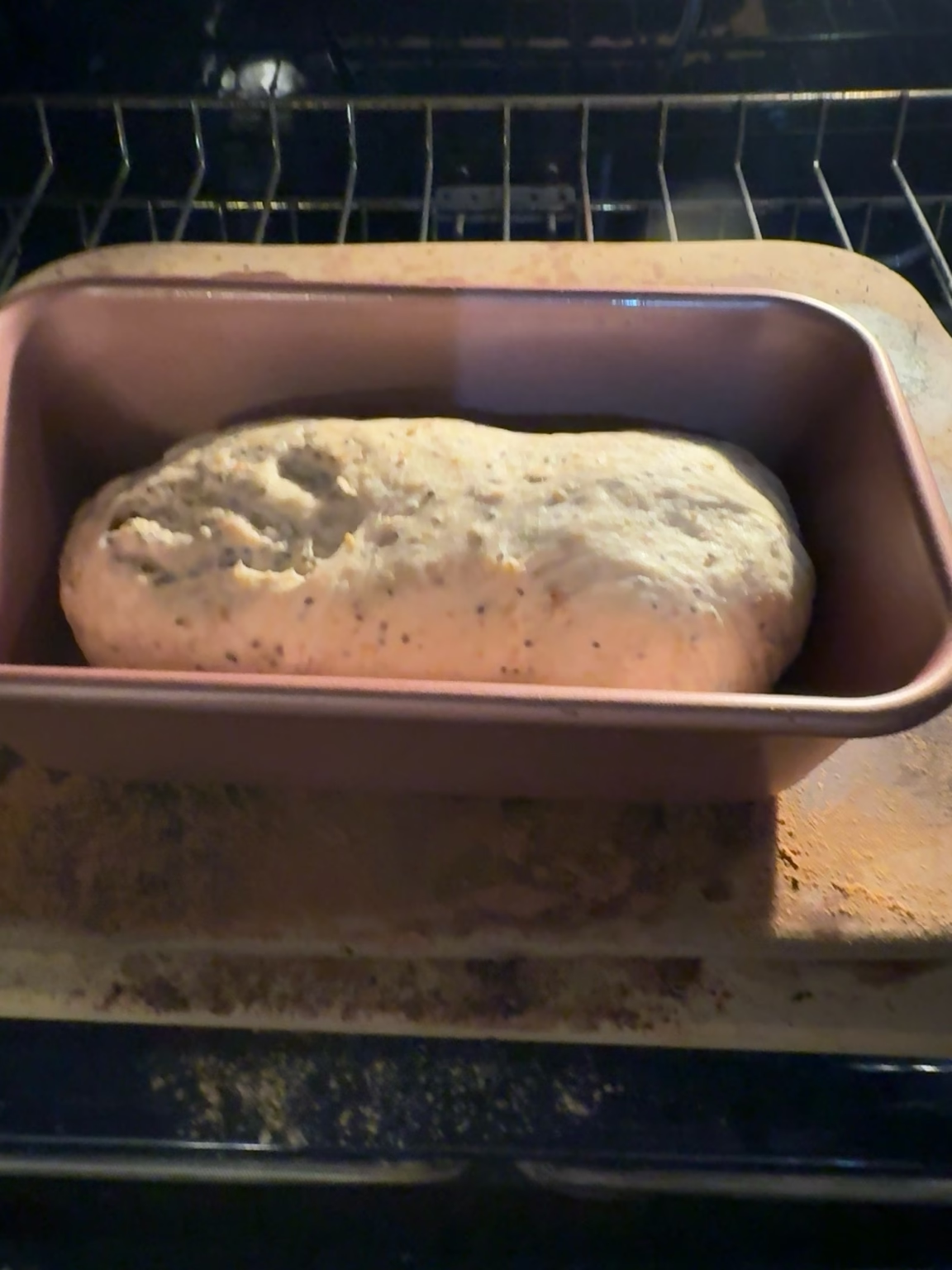
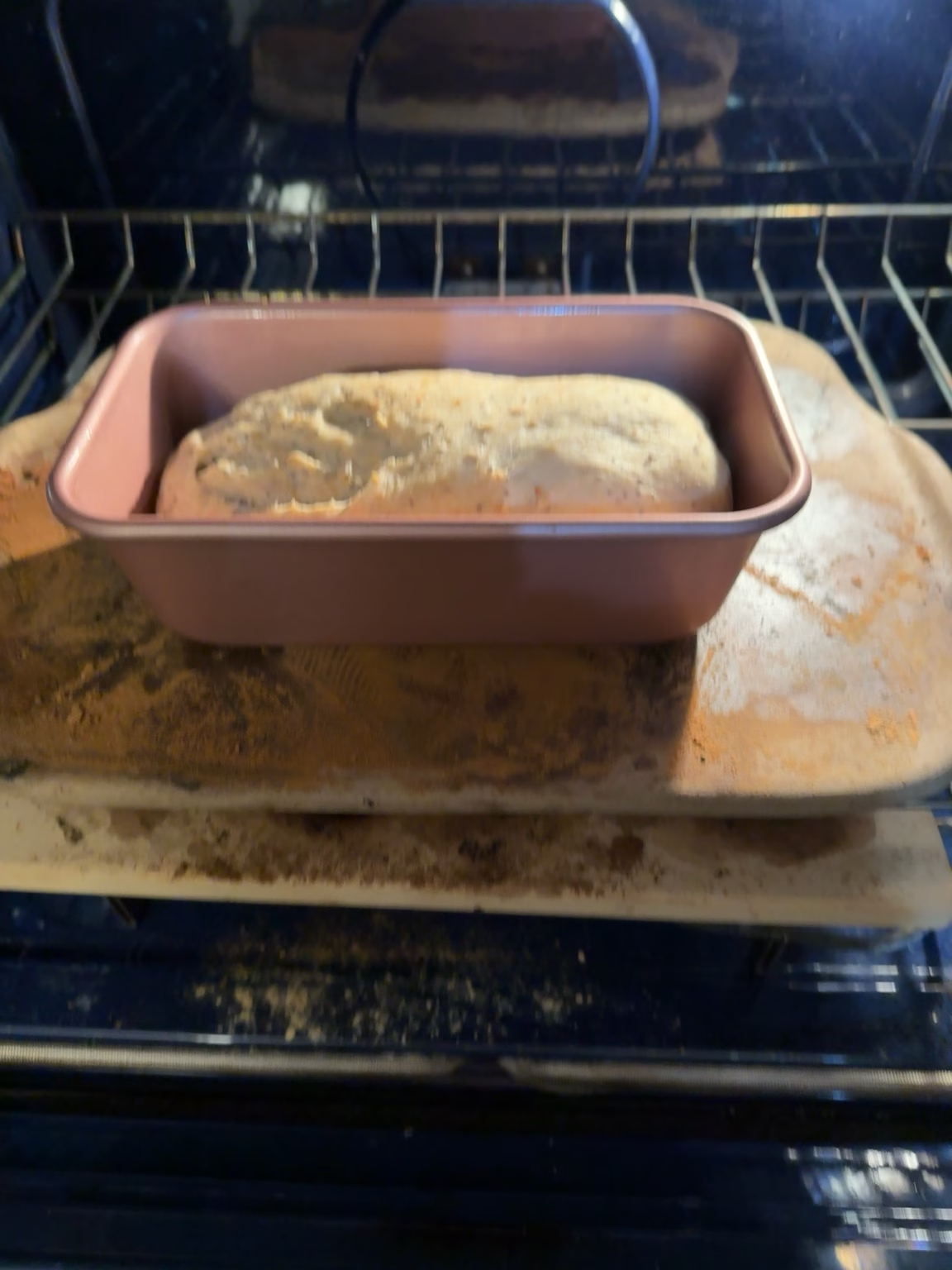
At this point I had two choices: continue staring at the loaf and attempt to intimidate the yeast, or turn on the oven. I chose Option 2.
Into the Oven
The loaf baked for 35 minutes at 350°F. I wondered whether I might get some dramatic oven spring. The recipe that originally inspired my Healthy Sandwich Bread — Robyn on the Farm's one-hour bread — doesn't use a traditional second rise. Maybe this loaf was just saving its performance for the oven.
It wasn't.
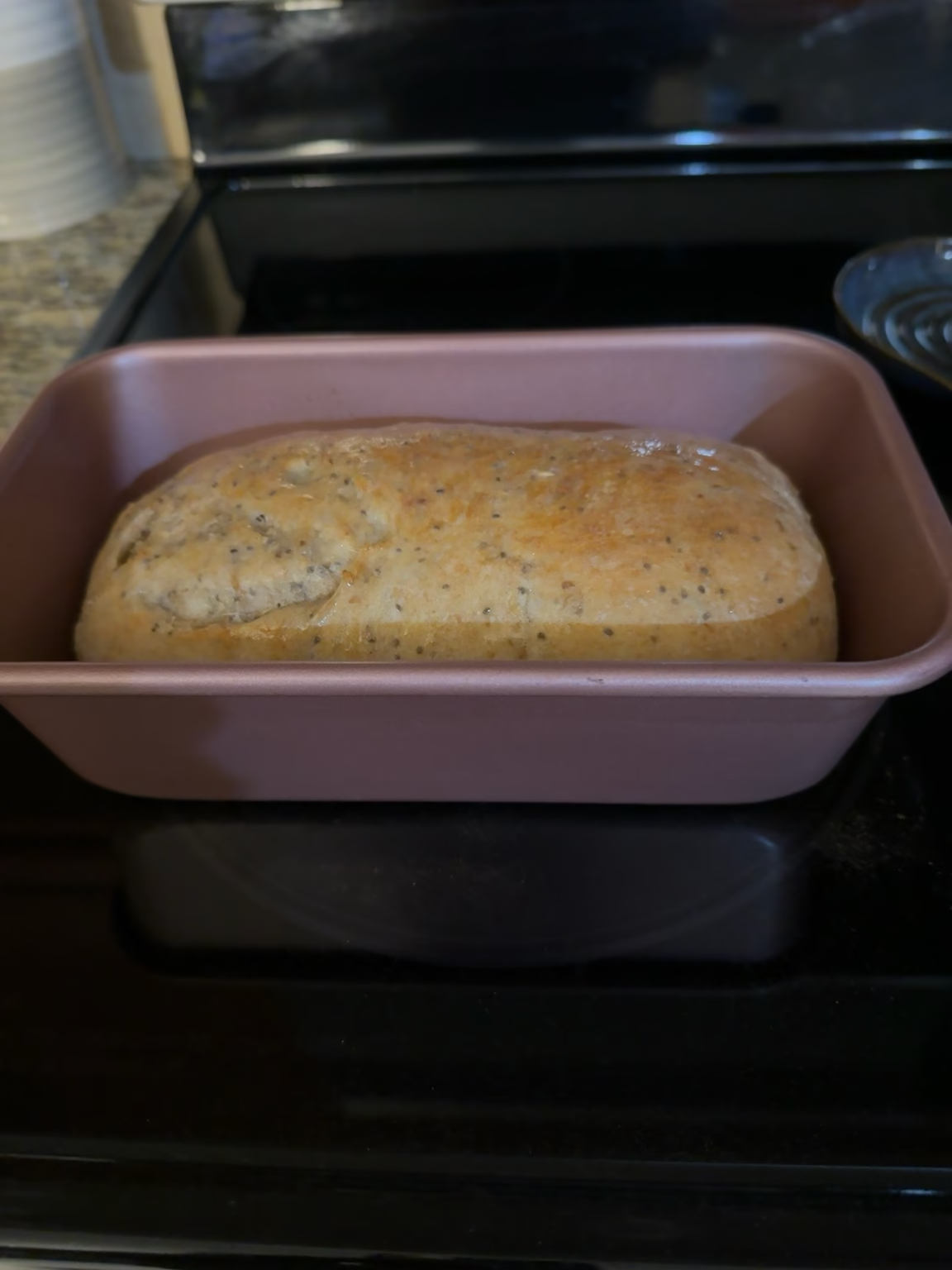
Wait a Minute... This Is GOOD
Yes, I know. You're supposed to let bread cool completely before slicing it.
This is the Bread Lab, not the Bread Patience Institute.
I let it cool enough to avoid completely destroying the crumb, cut a slice while the interior was still warm and found exactly what the rise had been warning me about: a very tight crumb. But it was also surprisingly soft.
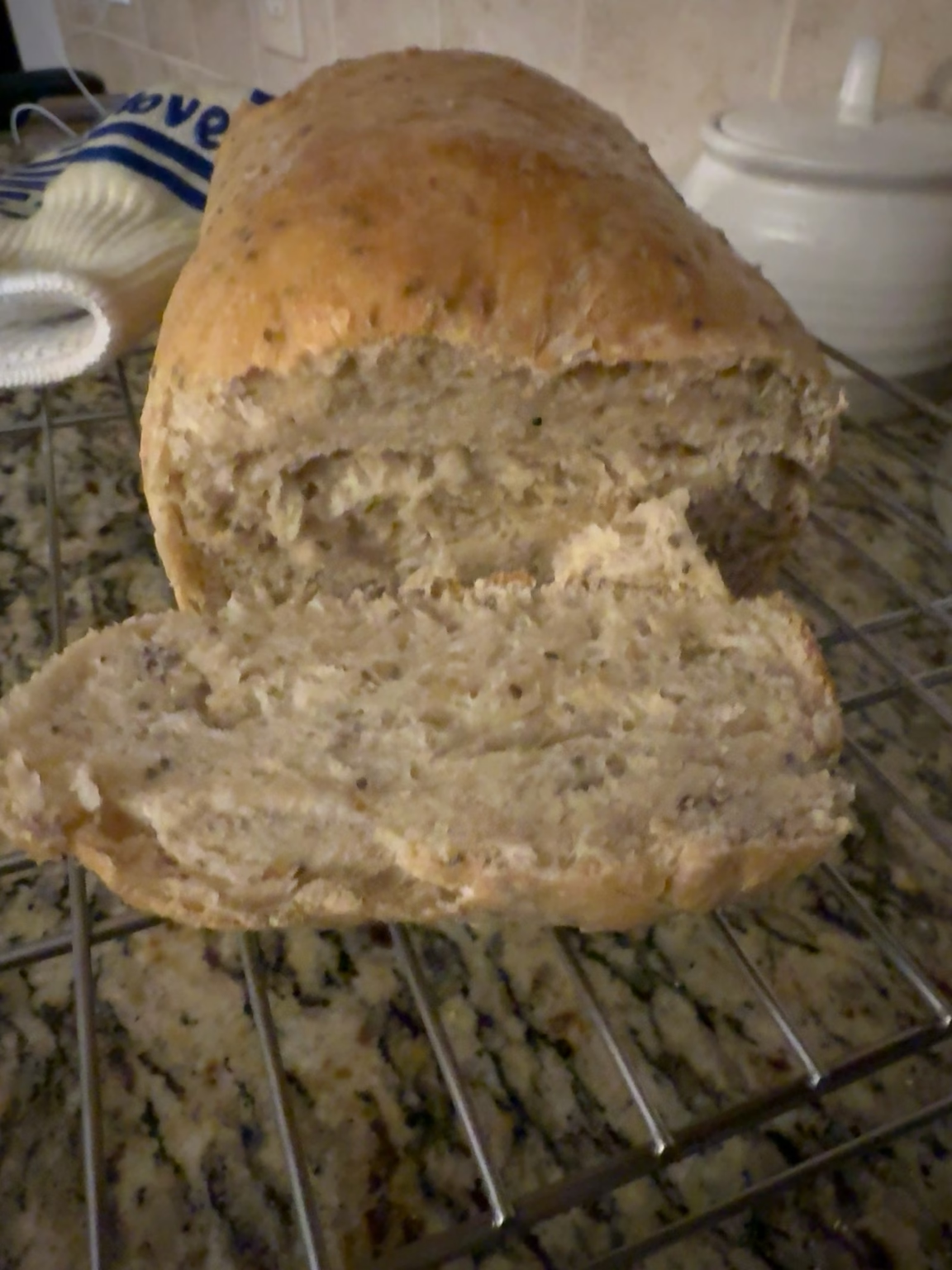
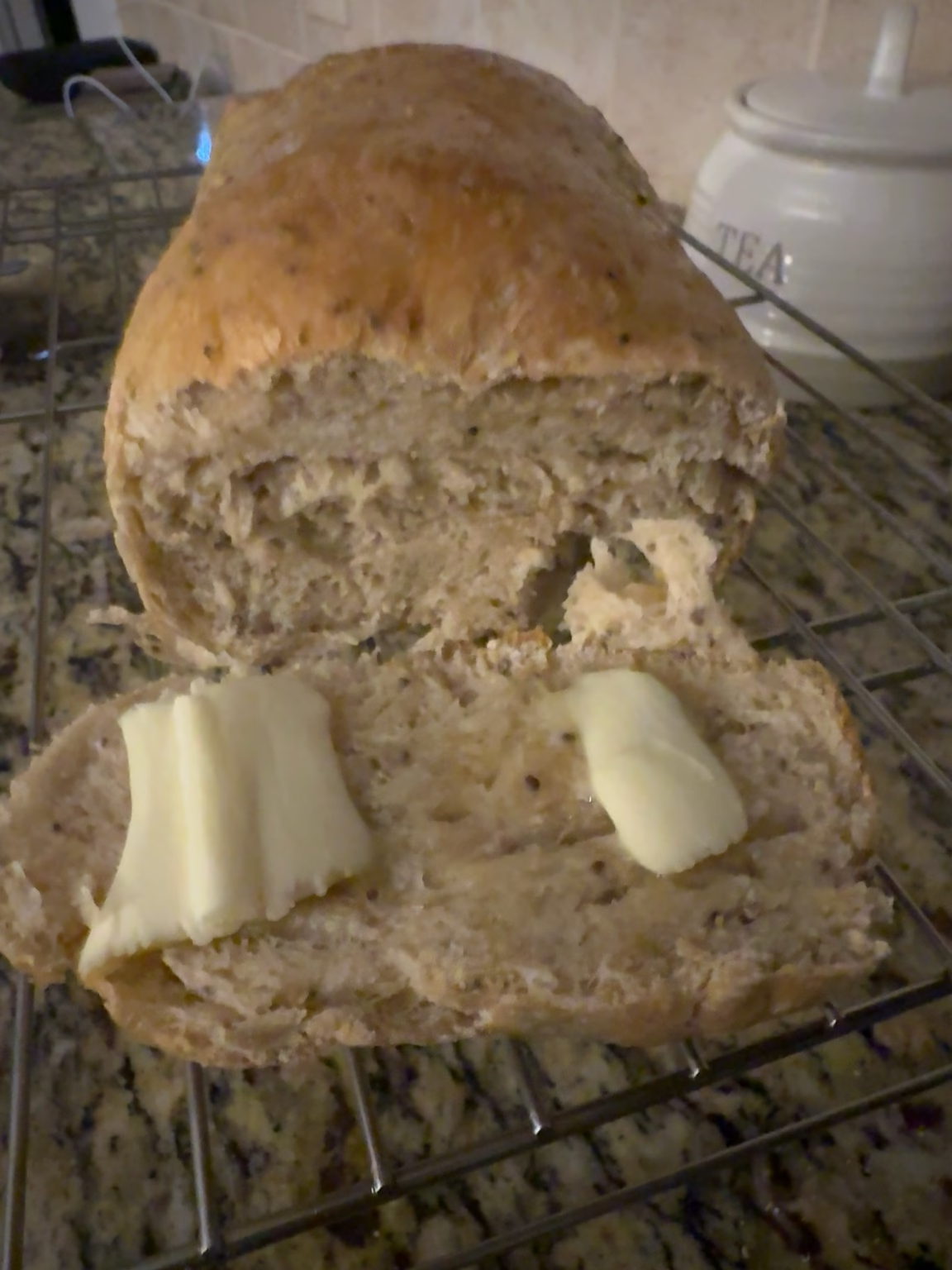
And that's when the experiment became confusing.
Because this bread was delicious. Soft. Flavorful. Excellent with butter. And despite putting 100 grams of Greek yogurt into the dough, I don't think anyone tasting it would ever guess yogurt was in there.
The 24-Hour Check
I waited until the next day to see whether the loaf would turn into a dense little building material overnight. It didn't.
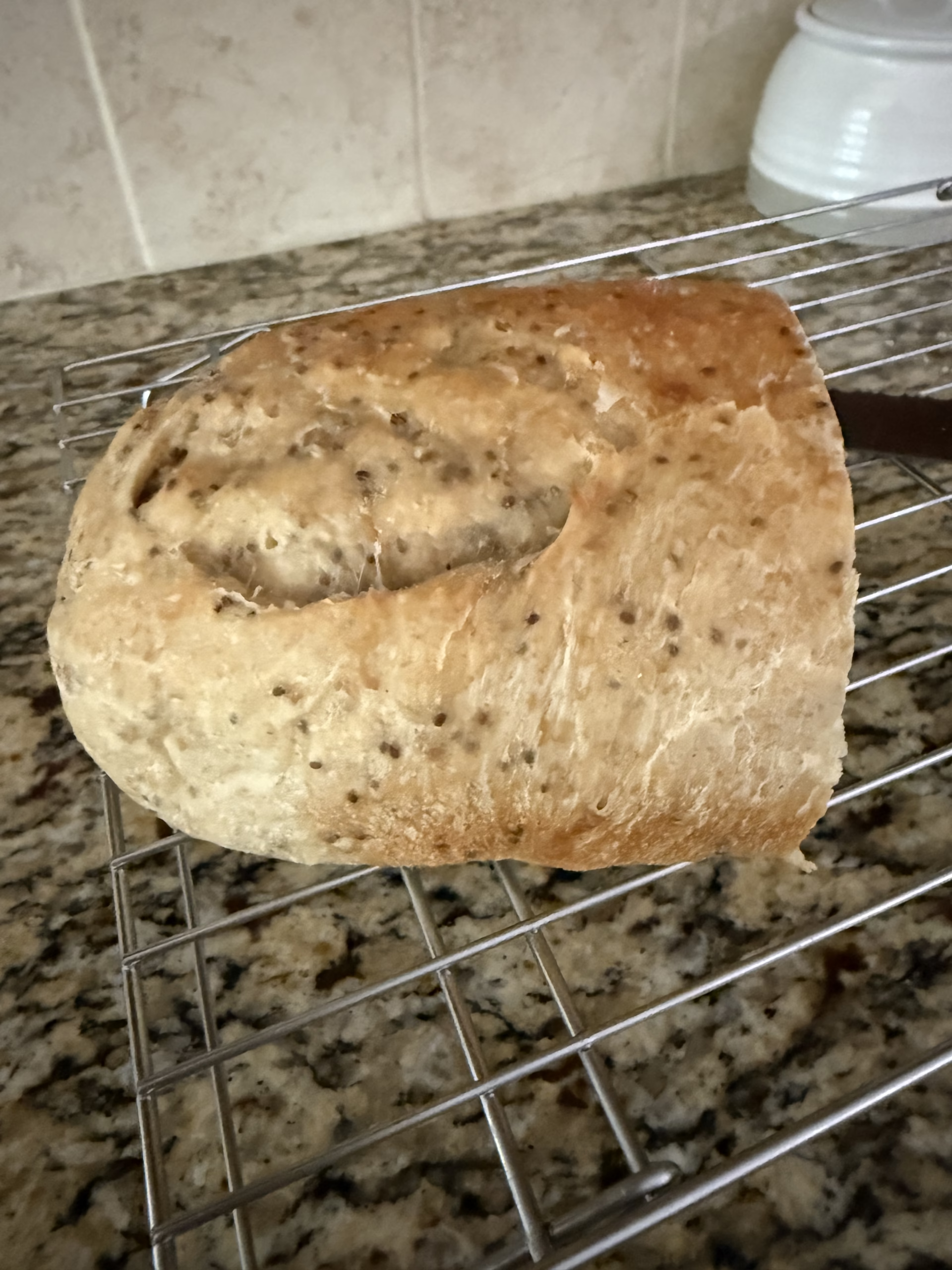
A slice went into the toaster. Taste: still 10/10.
Well, that's inconvenient.
DRTG — Didn't Rise, Tasted Great
Was this bread a failure? No.
Was it a successful high-protein sandwich bread? Also no.
The Greek yogurt gave me only a modest protein increase while apparently making an already challenging dough even more difficult to develop and rise. The finished loaf tasted terrific, but its low profile and tight crumb make it less useful as an everyday sandwich bread.
And that's the real question with experiments like this. It isn't simply, "Can I put more protein into bread?" Of course I can.
The better question is: "How much am I willing to compromise the bread to get it?"
For perhaps another half-gram or so of protein per slice, I'm not willing to sacrifice the height and texture of the Healthy Sandwich Bread. So I'm going back to the successful recipe.
Sometimes the Bread Lab discovers a better bread. Sometimes it discovers what not to change. And sometimes it produces a short, stubborn loaf that refuses to rise properly but tastes so good you eat it anyway.
That's science. Or at least that's how we do science at Bytes, Bread & BBQ.