Bread Flour vs. All-Purpose Flour
If you’ve ever stood in the baking aisle wondering whether bread flour is worth buying, you’re not alone.
One of the most common questions beginner bread bakers ask is:
“Can I use all-purpose flour instead of bread flour?”
The short answer is yes—but the results won’t always be the same.
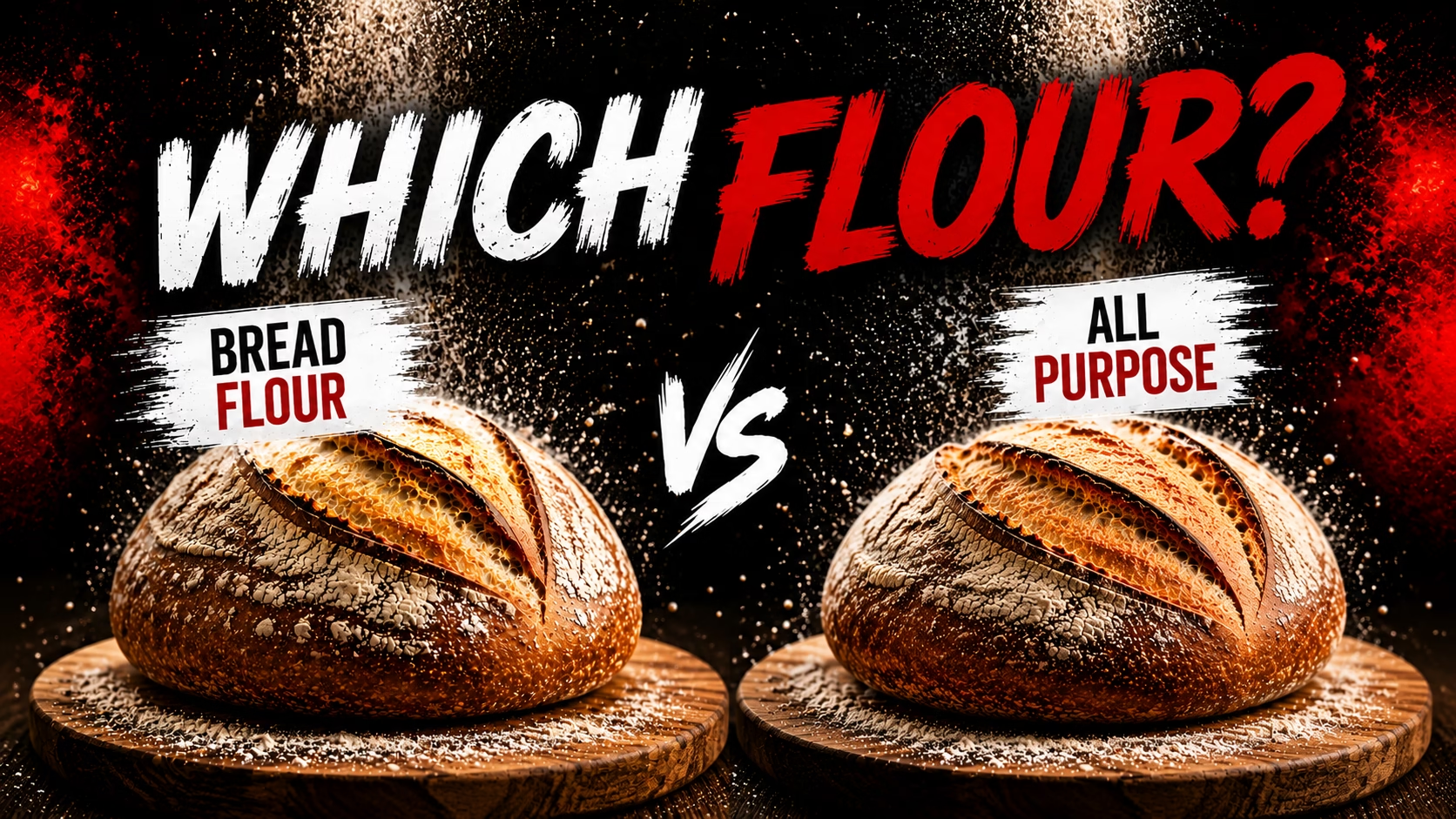
Watch the one-minute comparison below, then read on for the full explanation.
Understanding the differences between these two flours can help you make better bread, improve oven spring, and achieve the texture you’re looking for.
Let’s look at what makes them different and when each one shines.
What Is Bread Flour?
Bread flour is a high-protein wheat flour designed specifically for yeast breads.
Most bread flour contains 12–14% protein, which creates stronger gluten during mixing and kneading.
That stronger gluten network helps dough:
- Rise higher
- Hold more gas
- Develop a chewy texture
- Produce excellent oven spring
If you enjoy artisan loaves with an open crumb and crispy crust, bread flour is often the best choice.
What Is All-Purpose Flour?
All-purpose flour is exactly what its name suggests—a versatile flour suitable for many different baked goods.
It typically contains 9–12% protein, depending on the brand.
Because it forms a slightly weaker gluten network, all-purpose flour produces baked goods that are softer and more tender.
It’s an excellent everyday flour for:
- Sandwich bread
- Dinner rolls
- Pancakes
- Muffins
- Cookies
- Cakes
Many home bakers use nothing but all-purpose flour and still bake excellent bread.
Why Protein Matters
The biggest difference between these flours is protein content.
When flour is mixed with water, proteins called glutenin and gliadin combine to form gluten.
Gluten creates the elastic structure that traps carbon dioxide released by yeast.
More protein generally means:
- Stronger gluten
- Better gas retention
- Taller loaves
- Chewier texture
Lower protein usually produces:
- Softer crumb
- Less chew
- Slightly less oven spring
Neither is “better.”
They’re simply designed for different purposes.
Bread Flour vs. All-Purpose Flour
| Feature | Bread Flour | All-Purpose Flour |
|---|---|---|
| Protein | 12–14% | 9–12% |
| Gluten Strength | Strong | Moderate |
| Texture | Chewy | Soft |
| Oven Spring | Excellent | Good |
| Best For | Artisan breads, pizza, bagels | Sandwich bread, rolls, everyday baking |
(Insert your side-by-side loaf photos and crumb photos here.)
Can You Substitute One for the Other?
Absolutely.
Many recipes can be made successfully with either flour.
Using All-Purpose Instead of Bread Flour
Expect:
- Slightly softer crumb
- Slightly lower rise
- Less chew
For most sandwich loaves, many people won’t notice much difference.
Using Bread Flour Instead of All-Purpose
You’ll often get:
- Better structure
- More chew
- Stronger dough
- Better oven spring
Some recipes may require a little more water because bread flour absorbs moisture more readily.
Which Flour Should You Use?
Here’s a simple guide.
| Recipe | Best Choice |
|---|---|
| Artisan Bread | Bread Flour |
| High-Hydration Dough | Bread Flour |
| Pizza Dough | Bread Flour |
| Bagels | Bread Flour |
| Sourdough | Bread Flour (usually) |
| Sandwich Bread | Either |
| Dinner Rolls | Either |
| Cookies | All-Purpose |
| Cakes | All-Purpose |
| Muffins | All-Purpose |
Does Bread Flour Make Better Bread?
Not necessarily.
It depends on what you’re trying to bake.
If you want a rustic artisan loaf with large holes and a chewy crumb, bread flour gives you an advantage.
If you’re baking soft sandwich bread for the family, all-purpose flour often produces excellent results.
Skill, fermentation, hydration, and shaping usually have a much bigger impact on bread quality than flour alone.
What About Hydration?
One thing many bakers notice is that bread flour can absorb more water.
That means you may be able to increase hydration slightly while still maintaining a workable dough.
If you’re experimenting with different hydration levels, try using my Bread Toolbox Calculator to calculate hydration percentages, convert measurements, and scale recipes for any loaf size.
If you’re looking to improve flavor even further, my Poolish Calculator can help convert many standard recipes into poolish recipes with just a few clicks.
Frequently Asked Questions
Can I make bread with all-purpose flour?
Absolutely. Millions of excellent loaves are baked with all-purpose flour every year.
Is bread flour worth buying?
If you regularly bake artisan bread, pizza, bagels, or sourdough, yes. The stronger gluten can noticeably improve structure and oven spring.
Can I mix bread flour and all-purpose flour?
Yes. Many bakers use a blend to balance strength with tenderness.
Is bread flour healthier?
Not really. The nutritional differences are very small. The primary difference is protein content and baking performance.
Final Thoughts
For most home bakers, both flours deserve a place in the pantry.
Choose bread flour when you want maximum structure, chewy texture, and impressive oven spring.
Choose all-purpose flour when versatility and softness are more important.
The good news is that neither choice is wrong. Understanding how protein affects gluten simply helps you get the results you’re after.
Experiment with both and see which loaf you prefer. You might be surprised by how much—or how little—the difference matters in your favorite recipe.
To find all your favorite flour try King Arthur Flour
Trying bread flour with a higher hydration dough? Use the Bread Toolbox Calculator to calculate hydration and scale your recipe.