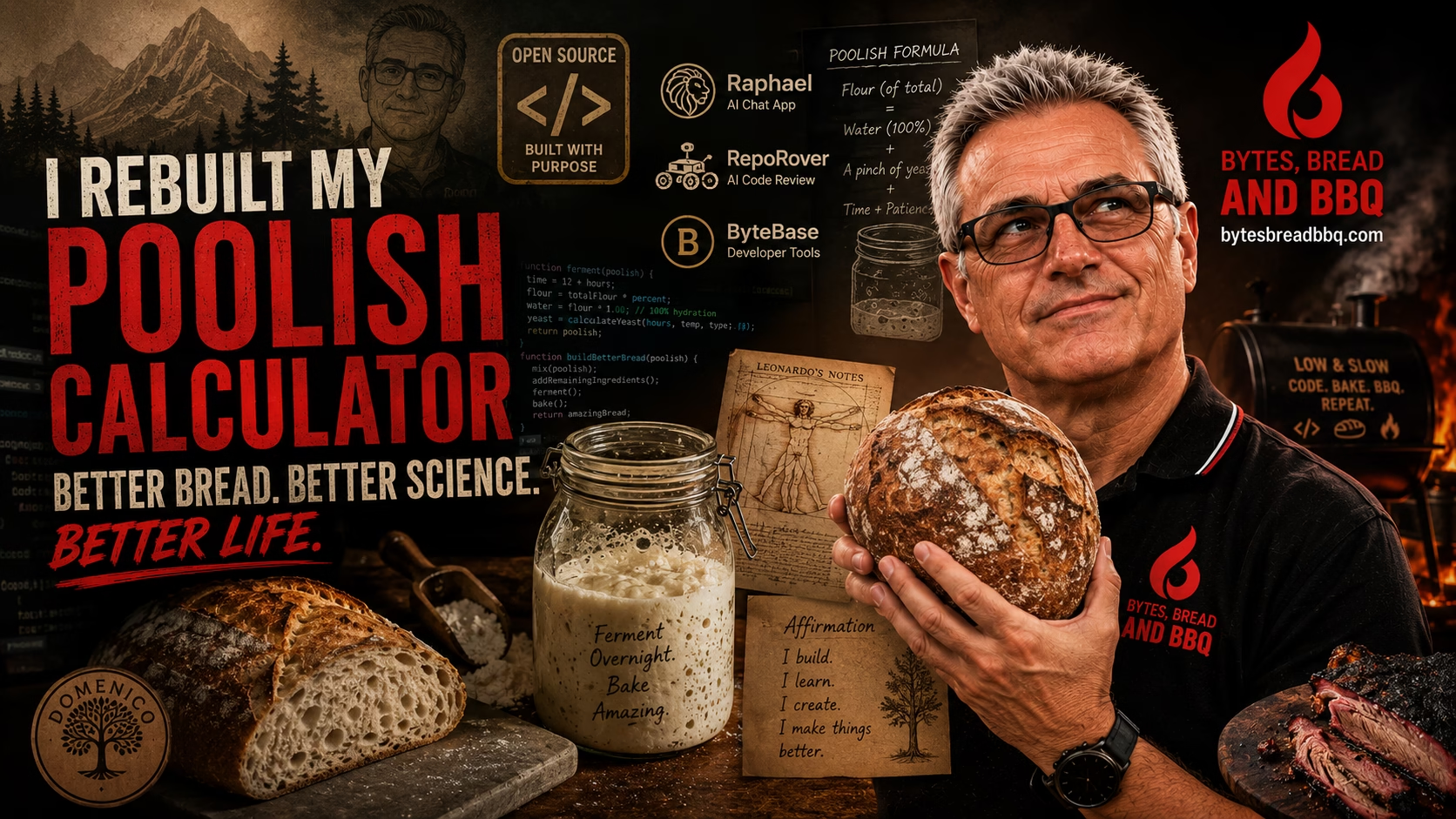
About a year ago I created a small JavaScript application that could convert almost any bread recipe into a poolish recipe.
At the time, the calculator was fairly simple:
- move 30% of the flour into a preferment
- add matching water
- toss in a tiny amount of yeast
- let it ferment overnight
And honestly… it worked pretty well.
But after spending more time experimenting with artisan bread, hydration levels, fermentation timing, pizza doughs, and different flour types, I realized something:
Bread is basically delicious food science.
So naturally, instead of just baking bread like a normal person, I rewrote the calculator.
What Is a Poolish?
A poolish is a wet preferment made from:
- equal weights flour and water
- a very small amount of yeast
- several hours of fermentation
Usually the poolish is mixed the night before baking and incorporated into the final dough the next day.
The result is bread with:
- deeper flavor
- improved texture
- better crust development
- longer freshness
- more artisan-style character
Without needing to maintain a sourdough starter that behaves like a needy kitchen pet.
Why Bakers Use Poolish
One of the biggest advantages of slow fermentation is flavor development.
As the dough rests, yeast and enzymes begin breaking down starches into sugars, helping create more complex flavor and better browning during baking.
A poolish can also:
- improve crumb texture
- make dough easier to stretch and shape
- increase moisture retention
- help bread stay fresher longer
Which is great news for anyone tired of homemade bread turning into drywall after 12 hours.
(Concepts summarized from discussions by King Arthur Baking on poolish and preferments.)
The New Poolish Calculator
The original calculator was intentionally simple.
The new version is far more flexible and behaves much more like a real artisan baking tool.
You can now adjust:
- poolish percentage
- fermentation time
- room temperature
- yeast type
- hydration considerations
The calculator then determines:
- what goes into the overnight poolish
- what gets added on baking day
- how to preserve the original recipe balance
This creates a much more accurate preferment process than the original “30% flour and hope for the best” method.
Not Every Bread Loves a Poolish
Poolish works beautifully for:
- baguettes
- pizza dough
- ciabatta
- focaccia
- rustic artisan breads
But breads containing:
- large amounts of butter
- milk
- eggs
- sugar
may require smaller preferments or different techniques entirely.
Bread dough can be surprisingly opinionated.
One Important Reminder
Poolish bread is NOT gluten free.
Slow fermentation changes flavor and texture, but gluten is still present unless you are using gluten-free flour specifically designed for bread baking.
Try the Poolish Calculator
If you enjoy experimenting with bread baking, hydration levels, fermentation, and artisan-style loaves, give the calculator a try:
Bytes, Bread, and Barbecue Poolish Calculator!
Whether you are baking baguettes, pizza dough, or just trying to convince your family that “hydration percentage” is a completely normal dinner conversation topic, the calculator should help simplify the process.
And if nothing else, your kitchen will smell amazing.